Politics · World News Bureau
Palestinian Israelis vote but face limited political power in homeland
Despite holding voting rights, Palestinian citizens of Israel say electoral participation offers little hope of reversing decades-long policies affecting their communities. Experts argue that structural constraints limit their capacity to influence decisions affecting their territories.
LSN World News ·
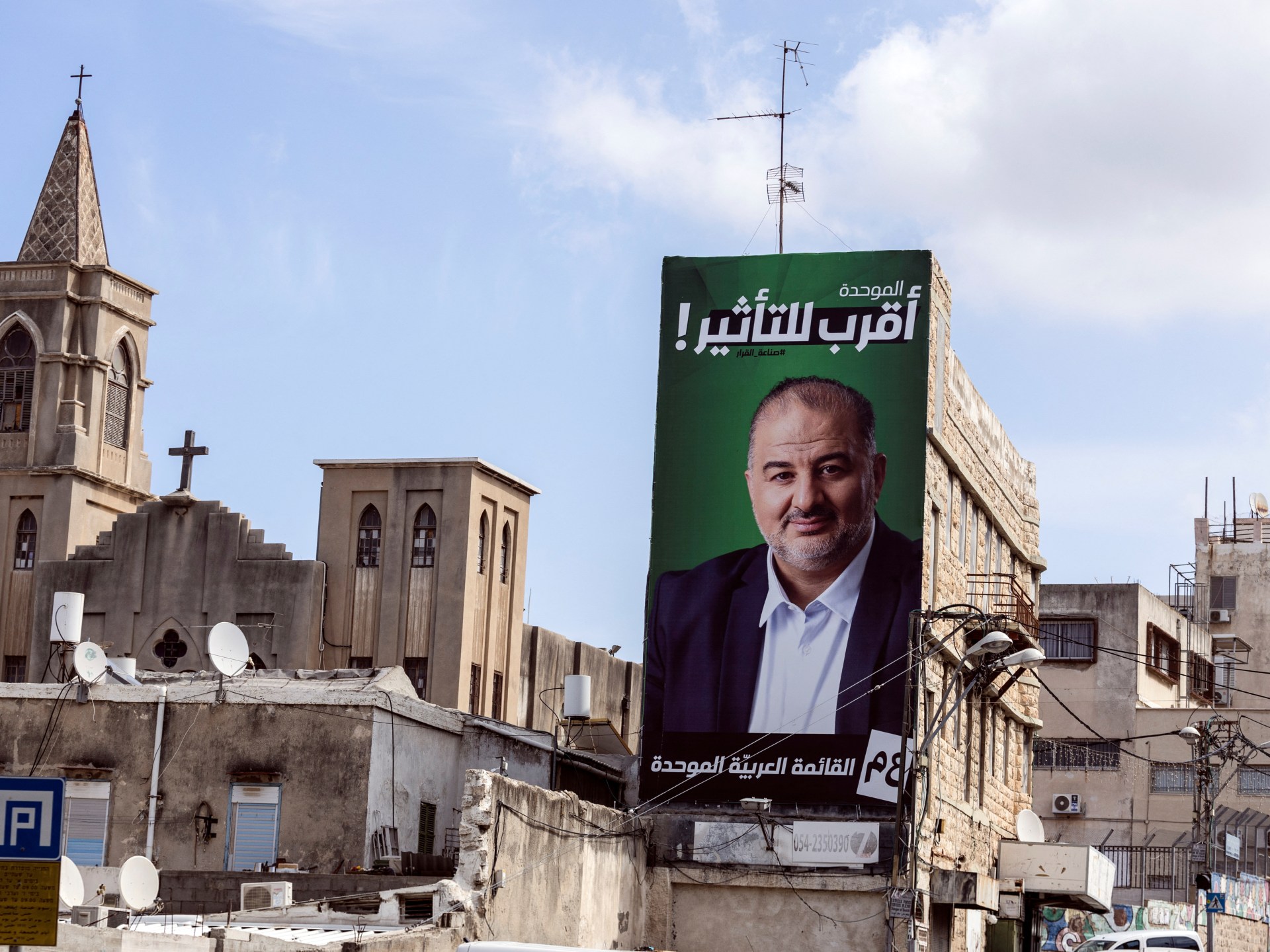
Palestinian citizens of Israel, who comprise roughly 20 percent of the country's population, maintain formal voting rights in national elections. However, political analysts and community leaders contend that participation in the electoral process has failed to translate into meaningful policy changes affecting predominantly Arab municipalities and regions.
The disconnect between electoral participation and political outcomes reflects deeper structural limitations within Israel's political system. Palestinian Israeli voters face hurdles in coalition-building, with major parties historically reluctant to partner with Arab-led political movements on substantive governance issues. This marginalization from power-sharing arrangements constrains their ability to direct resources toward Arab communities or influence decisions on land use, development, and municipal services.
Community advocates point to accelerated processes they characterize as demographic and administrative transformation of Palestinian majority areas established during Israel's 1948 founding. These developments, they argue, proceed regardless of electoral outcomes, suggesting that voting alone cannot arrest longstanding territorial and administrative policies affecting Arab Israeli populations.
The situation underscores a broader pattern in which formal democratic participation exists alongside systemic constraints on minority political influence. Palestinian Israeli leaders have increasingly questioned whether traditional electoral engagement remains an effective strategy for advancing community interests, with some advocating for alternative approaches to governance and representation.