World · World News Bureau
Palestinian life under siege in Hebron as Israeli restrictions tighten
Severe movement restrictions and military checkpoints have transformed Hebron's Palestinian districts into isolated enclaves, disrupting daily life for thousands of residents. The measures have created a fragmented urban landscape where commerce, education, and basic mobility face constant obstacles.
LSN World News ·
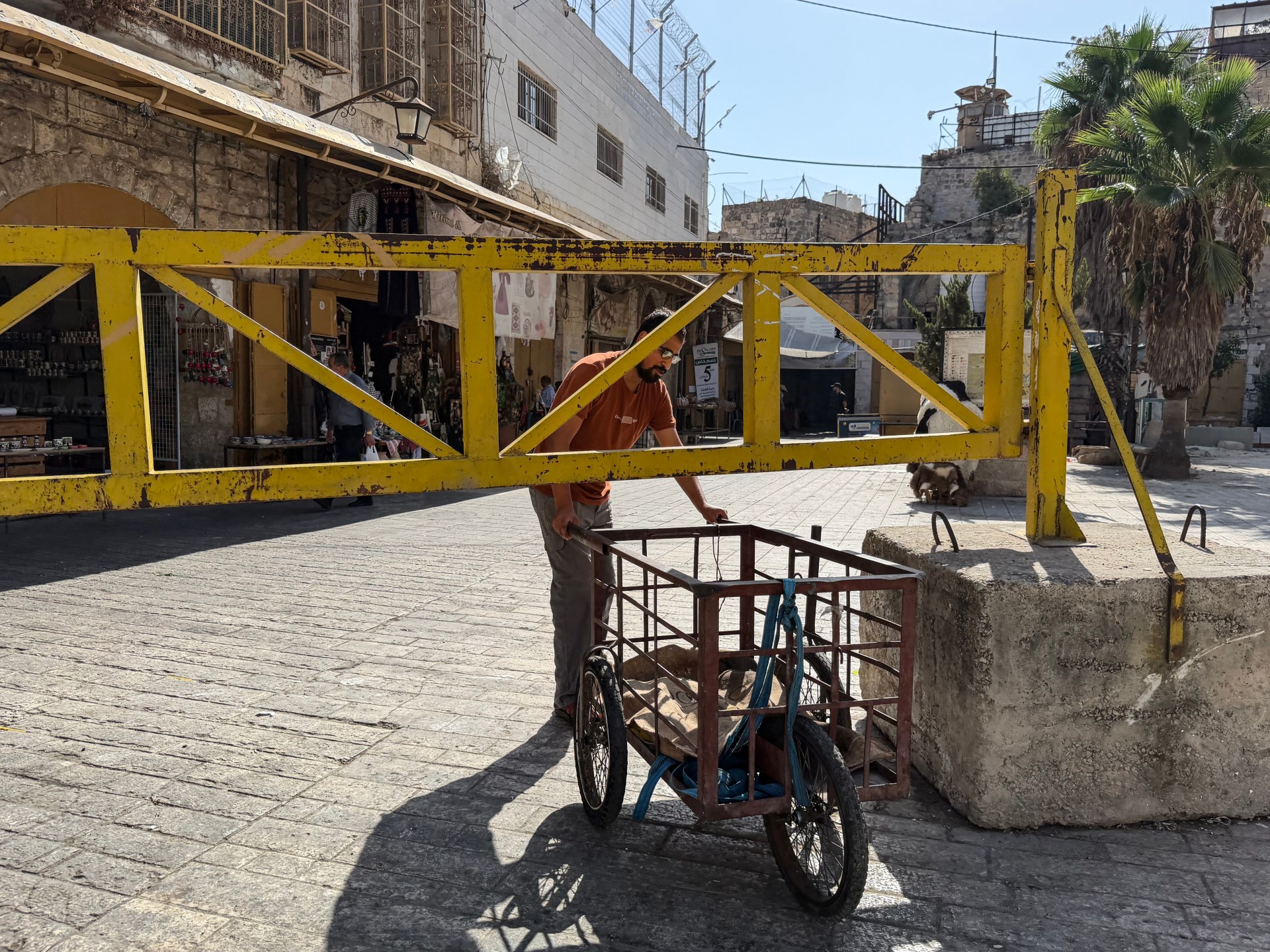
Hebron's Palestinian population navigates an increasingly constrained existence under a complex system of Israeli military checkpoints and roadblocks that segment the city into disconnected zones. Residents face repeated identity checks, lengthy delays at transit points, and restricted access to markets, schools, and medical facilities, transforming routine activities into time-consuming ordeals that characterize Palestinian life in the occupied West Bank city.
The checkpoint system has effectively partitioned Hebron's commercial and residential districts, forcing Palestinians to take circuitous routes to reach workplaces and essential services. Shop owners report diminished foot traffic as customers struggle to navigate security barriers, while students face unpredictable delays reaching educational institutions. The restrictions have fundamentally altered the city's economic dynamics, with many Palestinian traders abandoning business ventures in increasingly inaccessible areas.
Humanitarian organizations have documented the cumulative toll of these restrictions on residents' physical and mental health. The uncertainty of movement, combined with frequent security incidents and military presence, has created a climate of constant vigilance that residents describe as emotionally exhausting. Families have relocated away from heavily restricted zones, accelerating demographic shifts within Hebron's Palestinian territories.
The Israeli authorities cite security concerns for maintaining the checkpoint infrastructure, while Palestinian officials argue the restrictions constitute collective punishment that violates international humanitarian law. The situation remains a focal point in regional debates over occupation policies and Palestinian rights, with international observers increasingly documenting the humanitarian impact of movement controls on civilian populations.