Business · World News Bureau
Palestinian refugees in Lebanon face deepening economic crisis
Palestinian communities in Lebanon, already among the country's most economically marginalized groups, are confronting severe hardship as soaring energy costs and persistent inflation erode their purchasing power. The dual pressures threaten the survival of an already vulnerable population with limited access to formal employment and social services.
LSN World News ·
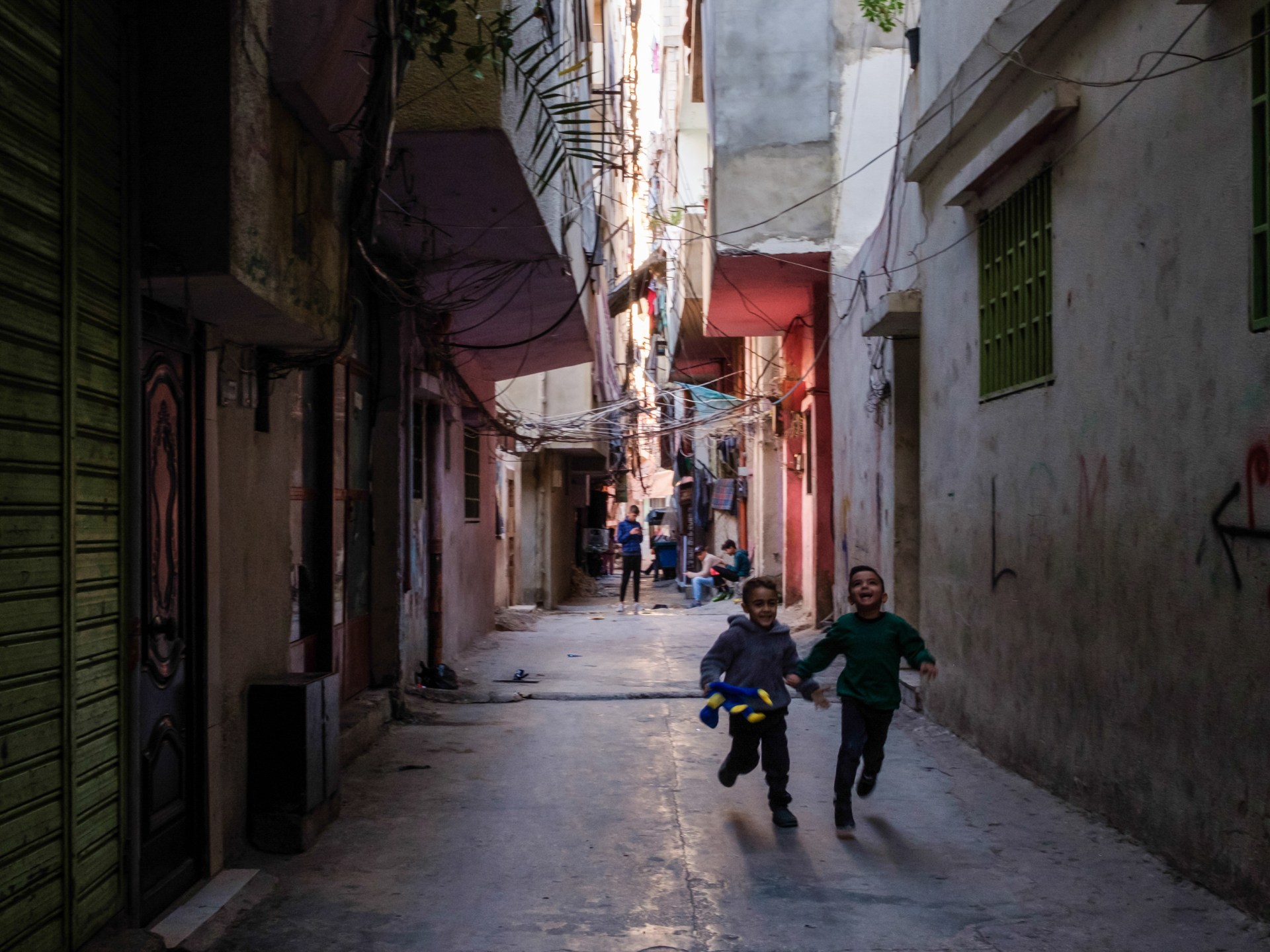
Palestinian refugees residing in Lebanon are experiencing intensifying financial strain as the nation grapples with an escalating cost-of-living crisis. With energy prices climbing sharply and inflation outpacing wage growth, many families are struggling to afford basic necessities including food, fuel, and medical care.
The Palestinian diaspora in Lebanon, numbering around 470,000 people according to UN estimates, has long occupied a precarious socioeconomic position. Confined to 12 official camps and several gatherings, Palestinians face restrictions on employment in many sectors and lack access to the Lebanese social safety net, leaving them dependent on limited aid from international organizations and NGOs.
The current economic deterioration compounds existing hardships. Unemployment rates within Palestinian communities significantly exceed national averages, and many families live in substandard housing with inadequate infrastructure. The combination of reduced purchasing power and restricted economic opportunities has forced difficult choices between heating homes and purchasing food.
Humanitarian organizations operating in Lebanon's Palestinian camps have reported increased demand for emergency assistance. The situation underscores the vulnerability of displaced populations during periods of macroeconomic instability, with those lacking formal citizenship protections bearing disproportionate burdens.