Politics · World News Bureau
Palestinian voters in Israel face dilemma as election tightens
Palestinian citizens of Israel confront a strategic choice between voting their conscience and casting ballots to counter perceived threats, as the nation heads toward a closely contested election.
LSN World News ·
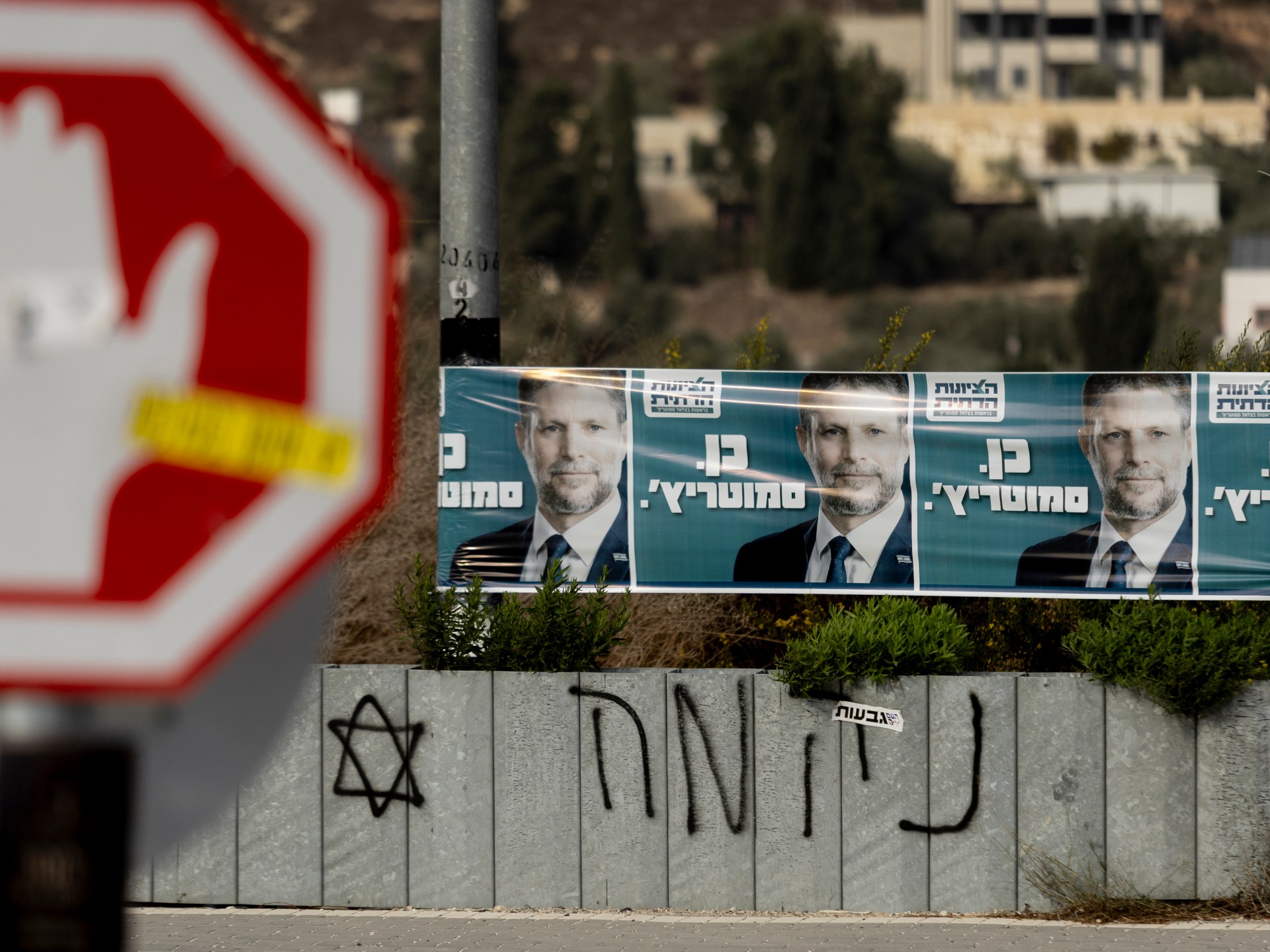
Palestinian citizens comprise roughly 20 percent of Israel's population, yet remain a marginalized electorate navigating a political system that analysts describe as structurally disadvantageous to their interests. As voting day approaches with polls showing a tight race, many within this community face conflicting impulses: voting according to their political principles versus employing their ballots strategically to prevent outcomes they fear.
The tension reflects deeper frustrations among Palestinian voters who have long felt excluded from mainstream Israeli politics. Despite their numbers, their parties have historically wielded limited influence over government formation and policy outcomes. Some community leaders argue that bloc voting for specific parties could amplify their collective bargaining power, while others insist on maintaining principled positions regardless of electoral mathematics.
Civil society organizations within the Palestinian community have intensified voter mobilization efforts, acknowledging the complex calculations facing their constituents. These groups recognize that participation rates and voting patterns could significantly influence the election's trajectory, particularly in a closely divided parliament where even modest vote shifts might prove decisive.
The voting calculus underscores broader questions about minority representation in Israeli democracy. Palestinian citizens continue debating whether engagement within the existing system yields meaningful results or merely legitimizes structures they view as fundamentally inequitable. Their ultimate voting behavior may reveal whether strategic considerations or principled positions prevail among this crucial electorate.