World · Singapore Bureau
Palliative care nurse finds meaning in helping patients achieve 'good death'
After initially resisting end-of-life care work, a Singapore-based nurse has discovered profound purpose in guiding more than 100 dying patients through their final days. Her experience has reshaped her understanding of what constitutes quality healthcare and a dignified passing.
LSN Singapore ·
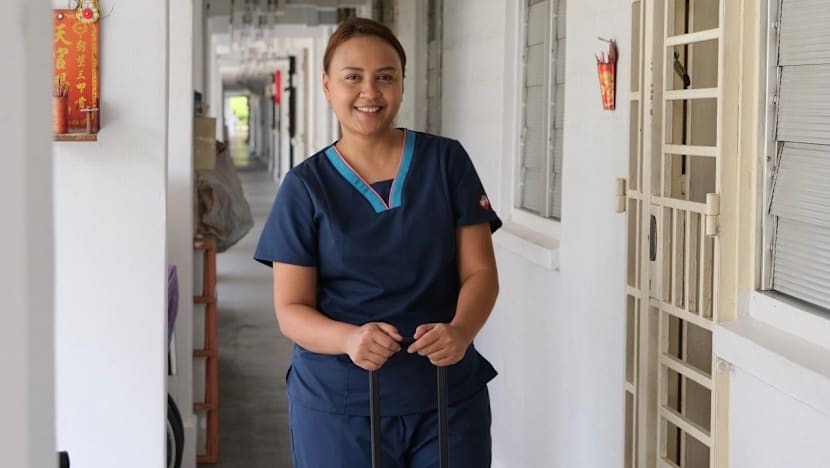
Mariam Jumaat's career trajectory took an unexpected turn when she transitioned from acute care nursing to home palliative services. What began as reluctance—rooted in a belief that nursing's primary mission was recovery and cure—evolved into a calling centred on comfort, dignity, and presence during life's final chapter.
Now working as a home palliative care nurse, Jumaat has accompanied over 100 patients through end-of-life experiences, fundamentally shifting her perspective on what constitutes successful healthcare. Rather than viewing death as a clinical failure, she has come to understand it as a natural transition that deserves intentional, compassionate support.
Jumaat's work emphasizes enabling patients to spend their remaining time in familiar home environments, surrounded by loved ones, rather than in hospital settings. This approach reflects growing recognition within Singapore's healthcare system of the importance of patient autonomy and family involvement in terminal care.
Through her interactions with dying patients, Jumaat has identified common elements of what many consider a "good death"—one marked by pain management, emotional closure, and the opportunity to maintain meaningful connections. Her insights underscore the vital role palliative care professionals play in reshaping societal attitudes toward mortality and end-of-life preparation.
As Singapore's population ages, demand for palliative care services continues to rise, making professionals like Jumaat increasingly essential to the healthcare landscape.