World · Malaysia Bureau
Palm-based biodiesel could stabilise fuel supply amid global disruptions
Southeast Asia's biodiesel sector is positioned to help cushion diesel supply volatility during international crises, though consumer benefits hinge on effective implementation of blending mandates and regulatory frameworks.
LSN Malaysia ·
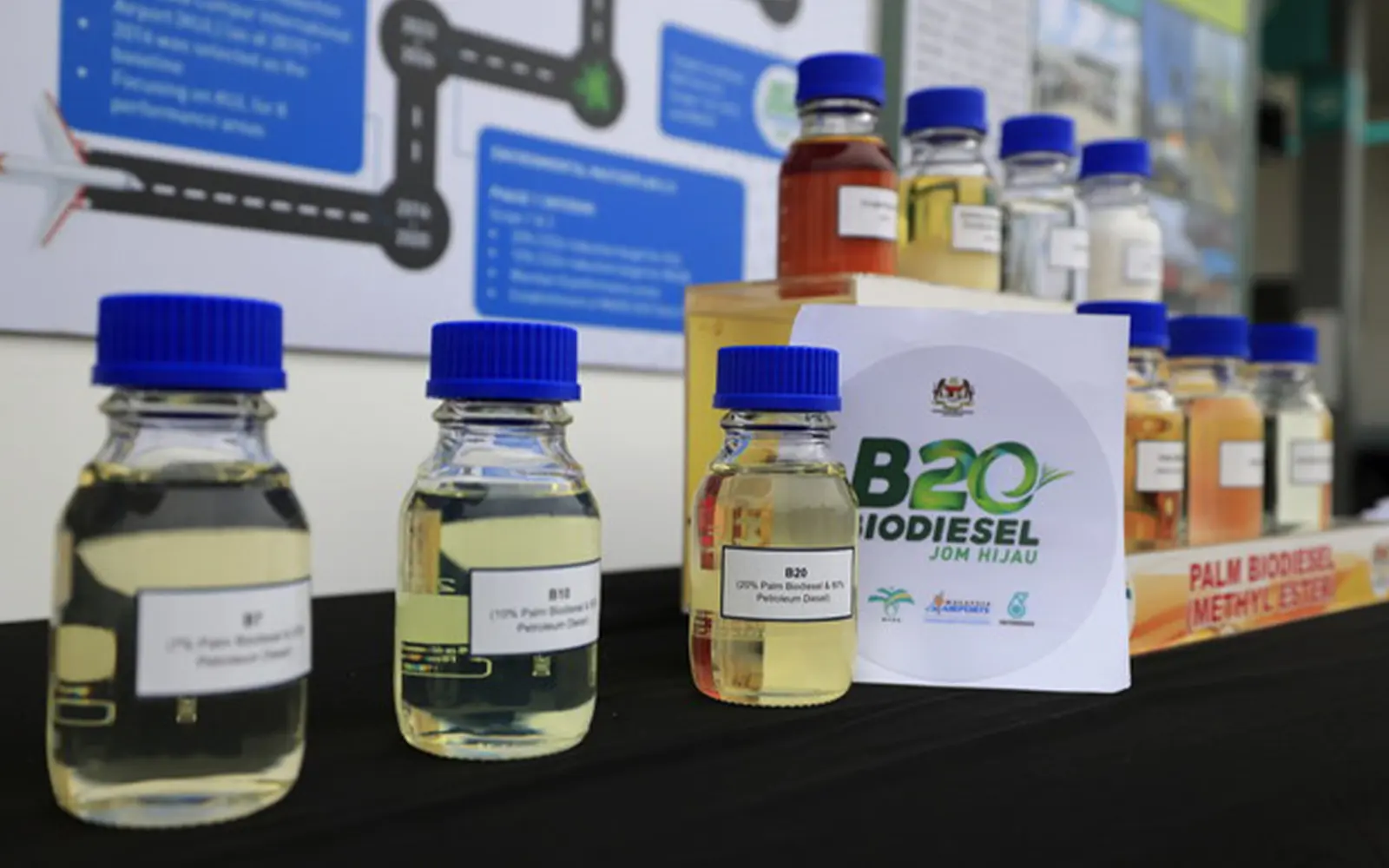
Palm oil-derived biodiesel has emerged as a potential stabilising force for regional diesel markets as geopolitical tensions and supply chain disruptions threaten global energy security. Producers argue that increased reliance on domestically-sourced biofuel blends could reduce dependency on volatile international crude oil markets and provide a buffer against external shocks.
The region's abundant palm oil resources provide a competitive advantage in biofuel production compared to other feedstocks. Industry stakeholders contend that biodiesel integration could enhance energy independence while supporting existing agricultural sectors, particularly in Malaysia and Indonesia where palm cultivation is economically significant.
However, realising these benefits remains contingent on consistent policy implementation and regulatory oversight. Experts caution that without robust enforcement of mandatory blending standards—such as B15 specifications—price volatility could persist, limiting tangible savings for consumers and businesses reliant on diesel supplies.
Government support through clear, long-term biofuel policies is essential to encourage investment in processing capacity and infrastructure development. Regional analysts note that coordinated approaches across Southeast Asian nations could amplify the stabilising effect while ensuring affordability and supply reliability for end-users during periods of global market turbulence.