World · Singapore Bureau
Palm oil funding aims to protect Borneo's elephants and forests
Conservation efforts in Borneo are turning to palm oil industry investment to fund wildlife protection corridors. Environmental groups warn that funding alone cannot reverse decades of habitat destruction across the island.
LSN Singapore ·
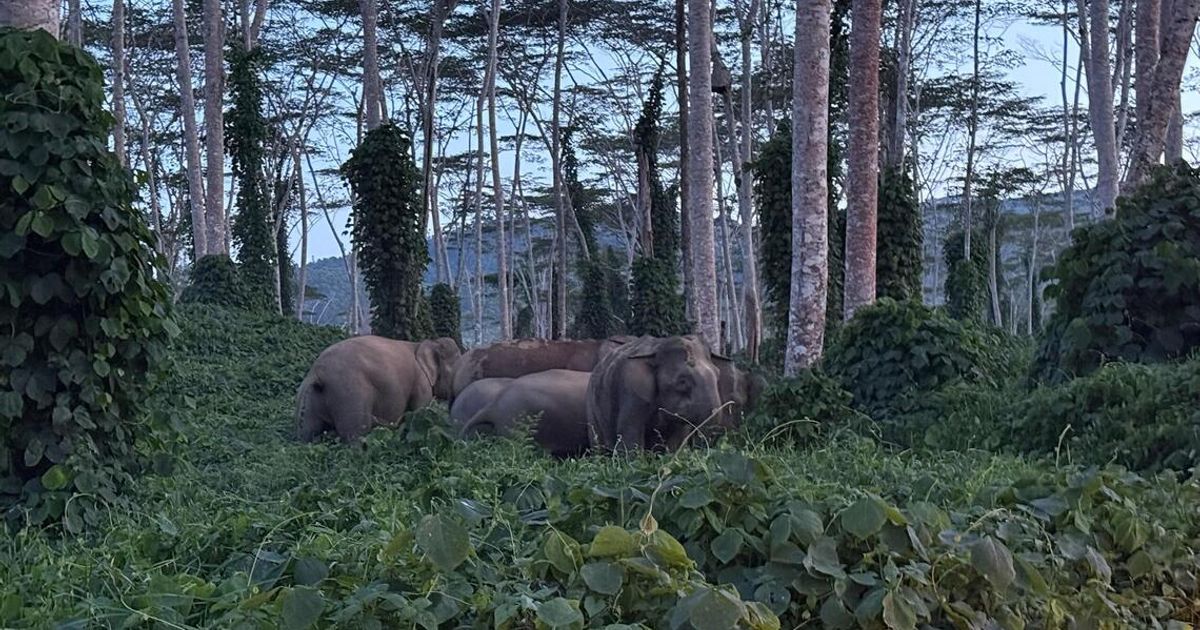
Conservationists working to protect Borneo's dwindling elephant populations are exploring partnerships with the palm oil industry to finance habitat corridors and wildlife management initiatives. The approach seeks to channel revenue from one of the region's most controversial industries toward environmental restoration, creating designated pathways for elephants and other species across fragmented landscapes.
Proponents argue that securing financial commitments from palm oil producers offers a pragmatic solution to funding long-term conservation work in the resource-limited region. By establishing and maintaining forest corridors between isolated reserves, the initiatives aim to allow wildlife populations to move freely and maintain genetic diversity.
However, environmental groups remain skeptical about the viability of such measures. Conservationists emphasize that tree-planting schemes and isolated conservation projects cannot adequately address the large-scale environmental degradation caused by decades of deforestation and habitat loss across Borneo. They argue that broader landscape-level transformation is necessary to genuinely restore the island's ecosystems.
The debate reflects ongoing tensions in Southeast Asia between economic development and environmental protection. While industry funding could accelerate conservation work, critics contend that true recovery of Borneo's forests and wildlife requires more comprehensive policy changes and land-use planning across the island's three nations: Indonesia, Malaysia, and Brunei.