World · Malaysia Bureau
Palm oil prices surge to 2024 peak amid supply pressures
Palm oil futures have climbed to their highest levels this year, driven by reduced production from El Niño weather patterns across Southeast Asia and sustained demand from the biofuels sector. The weather phenomenon threatens to further constrain supplies of the widely-used tropical commodity.
LSN Malaysia ·
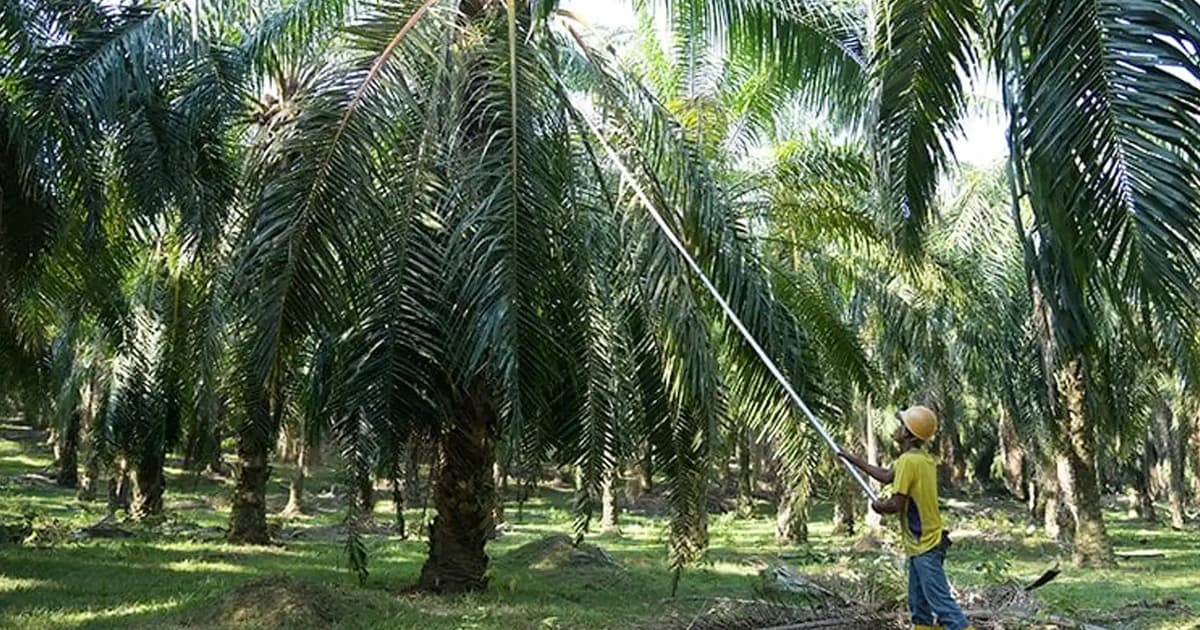
Palm oil prices have reached their strongest point in 2024 as multiple factors tighten global supplies of the commodity crucial to Malaysia's economy. The surge reflects growing concerns over production disruptions stemming from El Niño, the cyclical weather pattern that typically brings drier conditions across Southeast Asia during its active phases. The region is the world's leading producer and exporter of palm oil, making weather disruptions a key driver of international price movements.
El Niño's characteristic dry conditions pose a significant threat to palm plantations, which require substantial rainfall for optimal growth and fruit production. Reduced precipitation during the weather phenomenon can lead to lower yields and smaller harvests, constraining the global supply of the oil used in everything from food products to lubricants.
Beyond weather pressures, demand from the biofuels sector continues to support prices. Many countries have increased mandates requiring blending of biofuels with conventional fuels, creating sustained demand for palm oil as a feedstock. This structural demand support, combined with weather-related supply constraints, has created the conditions for the recent price rally.
Market analysts expect prices to remain elevated as long as El Niño conditions persist and biofuel demand remains robust. Producers and traders are monitoring weather forecasts closely for any signs of the pattern weakening, which could eventually ease supply pressures and provide some relief to downstream users of the commodity.