World · World News Bureau
Panama Canal expansion demands steep human and environmental costs
Efforts to maintain and expand the Panama Canal's capacity are forcing difficult choices about displacement and environmental impact in one of the world's most critical waterways. The project highlights tensions between economic necessity and the welfare of local communities.
LSN World News ·
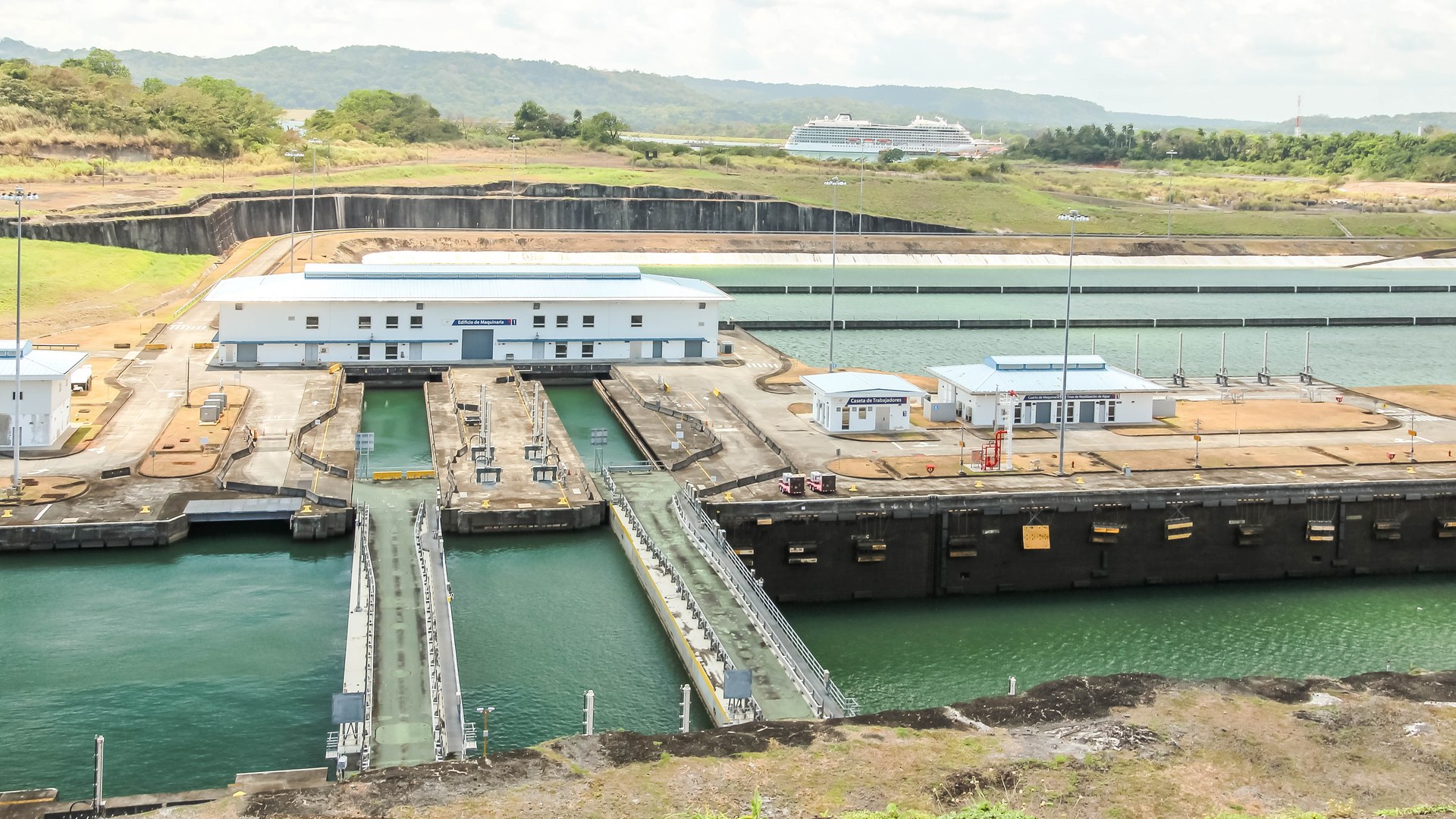
The Panama Canal, which handles approximately 5 percent of global maritime trade, faces mounting pressure to expand operations to accommodate larger vessels and increasing traffic demands. However, modernization efforts come with significant consequences for the regions surrounding the strategic waterway, requiring both physical relocation of communities and substantial alterations to the natural environment.
Local populations living near the canal have faced displacement as authorities pursue expansion and maintenance projects deemed essential for the waterway's continued viability. These relocations disrupt established communities and livelihoods, creating hardship for residents who have occupied these areas for generations. Additionally, infrastructure development has affected indigenous burial grounds and culturally significant sites, raising concerns among advocacy groups monitoring human rights and cultural preservation.
Environmental challenges accompany the canal's expansion, as water management systems and construction activities impact ecosystems and freshwater resources critical to the region. The Gatun Lake, which supplies the canal's water needs, faces pressure from increased usage and changing precipitation patterns linked to climate variations.
Panama's government maintains that expanding and upgrading the canal remains essential for the nation's economy and global trade flows. Officials argue that modernization investments ensure the waterway remains competitive and operational for the foreseeable future, despite the profound local impacts. Balancing these competing interests—economic development, community welfare, and environmental protection—continues to challenge policymakers navigating the canal's future.
Photo: The Agua Clara locks on the Atlantic side of the expanded Panama Canal, March 2025. Dr. Thomas Liptak via Wikimedia Commons (CC BY-SA 4.0).