World · Malaysia Bureau
Panama Canal may slash transit limits as drought persists
Authorities at the Panama Canal are considering further restrictions on daily vessel transits due to prolonged drought conditions linked to El Niño weather patterns. The potential cuts come amid increased demand for the vital waterway as shipping companies seek alternatives to congested Middle Eastern routes.
LSN Malaysia ·
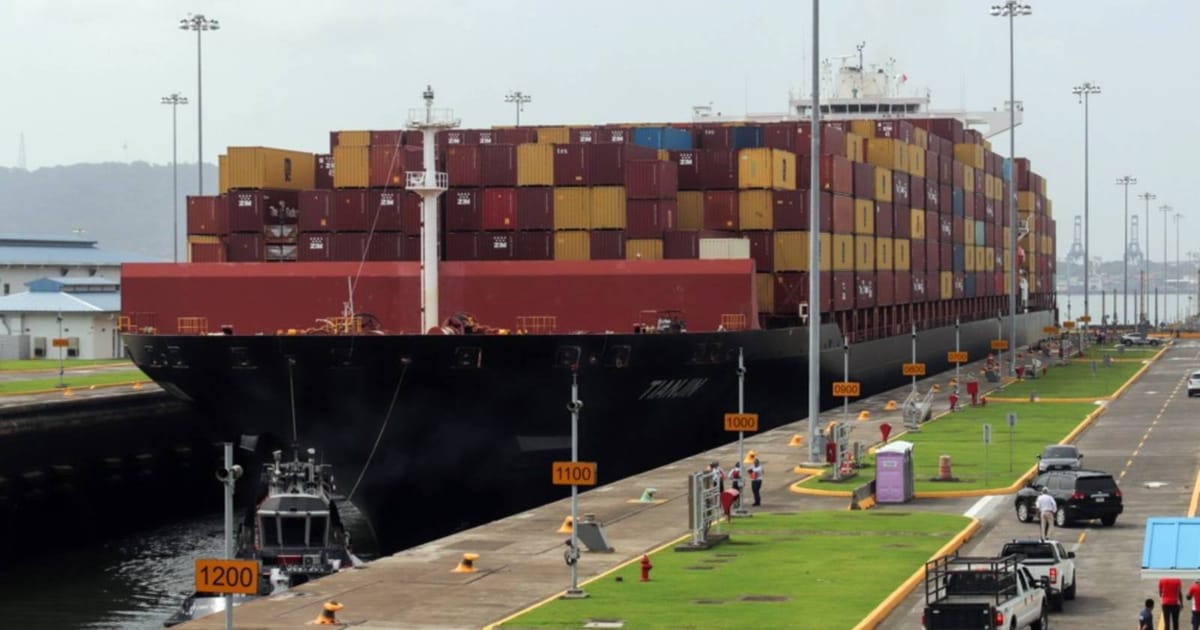
The Panama Canal Authority is evaluating additional constraints on the number of ships allowed through the crucial shipping corridor each day, citing persistent water shortages triggered by El Niño-related drought conditions affecting the region.
The potential reduction in transit capacity represents a significant challenge for global maritime commerce, particularly as shipping demand has surged in recent months. Vessel operators have increasingly redirected cargo through the Panama Canal to circumvent congestion and geopolitical tensions affecting the Strait of Hormuz, a critical chokepoint through which roughly one-third of global seaborne petroleum trade normally transits.
The canal's operations depend heavily on adequate freshwater reserves from Gatun Lake, which supplies water for the lock system that raises and lowers vessels between the Atlantic and Pacific oceans. Extended dry conditions have forced authorities to implement periodic restrictions on transit scheduling, limiting the number of vessels that can pass through daily and affecting global supply chains.
Shipping industry analysts warn that further cuts could exacerbate delays and increase freight costs at a time when alternative routes already face capacity constraints. The canal authority has indicated it continues to monitor water levels and weather conditions closely to determine whether additional measures will be necessary.