World · World News Bureau
Panama Canal tightens vessel restrictions as Middle East tensions escalate
The Panama Canal has imposed stricter limits on daily traffic transiting the waterway, raising concerns about potential shipping bottlenecks and higher freight costs for global trade. The restrictions come as geopolitical tensions in the Middle East threaten alternative maritime routes.
LSN World News ·
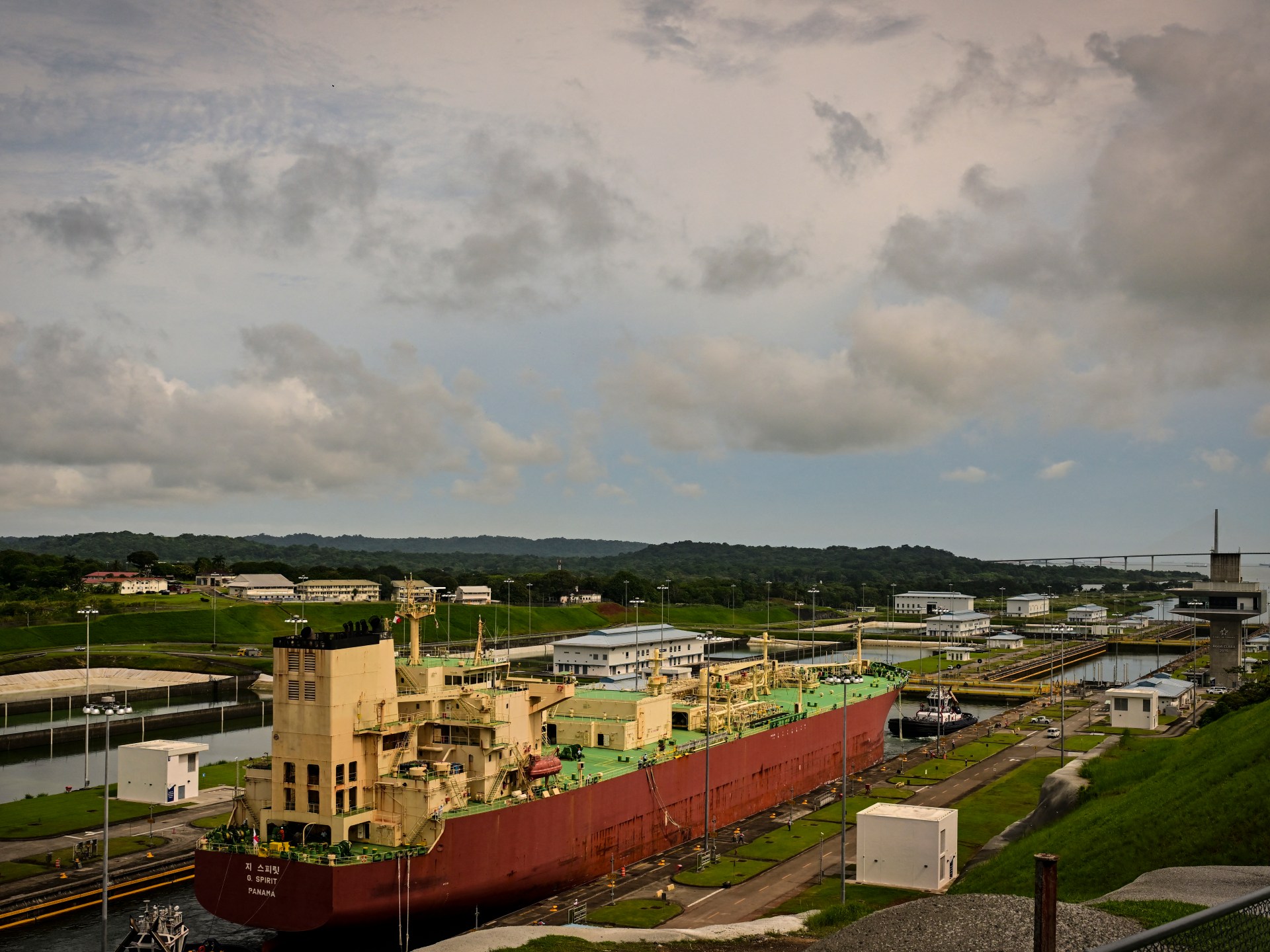
The Panama Canal Authority has announced tighter controls on vessel passage through the critical waterway, reducing the number of ships allowed daily transit. The measure reflects broader concerns about global shipping capacity as tensions around the Strait of Hormuz in the Persian Gulf create uncertainty for one of the world's most important oil and goods corridors.
The canal, which handles approximately 5 percent of global maritime trade and remains essential for commerce between Asia and the Americas, typically accommodates around 38 vessels daily under normal conditions. The new restrictions are expected to create cumulative delays as shipping operators queue vessels waiting for passage slots.
Industry analysts warn that prolonged transit delays could significantly increase operational costs for shipping companies, with expenses ultimately passed to consumers through higher freight rates. The timing of the restrictions compounds supply chain pressures in a market already navigating geopolitical risks to Middle Eastern shipping lanes.
The canal's limitations are partly attributed to low water levels in Gatun Lake, the freshwater reservoir that supplies water for the canal's lock operations. Combined with heightened security concerns and regional instability, the restrictions underscore the vulnerability of global maritime infrastructure to both environmental and political disruptions.