World · Malaysia Bureau
Pandemic-driven mobility curbs linked to excess elderly deaths
Movement restrictions implemented to control COVID-19 transmission may have prevented seniors from accessing essential healthcare, contributing to higher mortality rates among those aged 65 and above, according to research findings.
LSN Malaysia ·
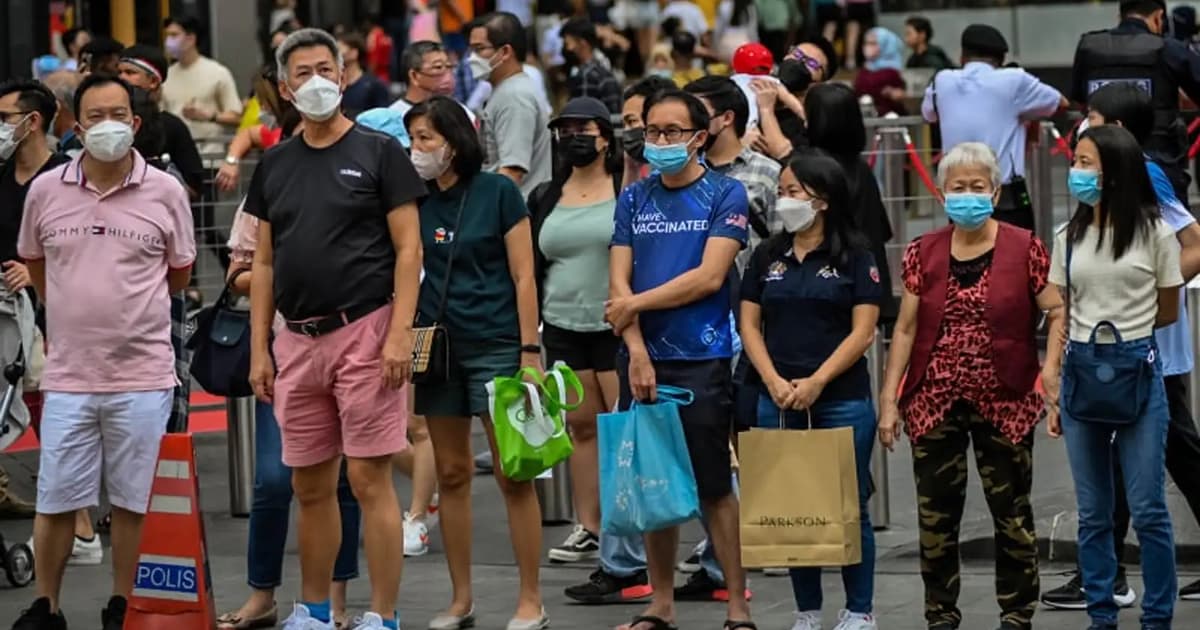
A new study has highlighted the unintended health consequences of pandemic-related movement restrictions, with evidence suggesting that elderly populations faced particular vulnerability during lockdowns and mobility controls.
Researchers found that seniors aged 65 years and above were more likely to miss critical medical appointments and postpone necessary procedures for chronic conditions during periods of strict movement restrictions. The inability to access timely healthcare compounded existing health vulnerabilities in this age group.
The findings underscore a broader concern about the collateral impact of COVID-19 containment measures on public health outcomes. While movement restrictions were designed to limit virus transmission, the study suggests these measures created barriers that prevented elderly citizens from maintaining continuity of care for long-standing health conditions.
The research adds to a growing body of evidence examining how pandemic responses affected vulnerable populations beyond direct COVID-19 infection. Healthcare providers and policymakers are increasingly recognising the need to balance disease control measures with maintaining access to essential medical services, particularly for at-risk demographic groups.
The study's conclusions suggest that future pandemic response strategies may need to incorporate safeguards to ensure elderly populations can continue accessing necessary healthcare despite movement restrictions or other public health interventions.