Politics · India Bureau
Paper ballots remain essential for MLC elections in India
Legislative Council elections across India continue to rely on paper ballots due to the unique voting system employed. Electronic voting machines cannot accommodate the proportional representation method used in these polls.
LSN India ·
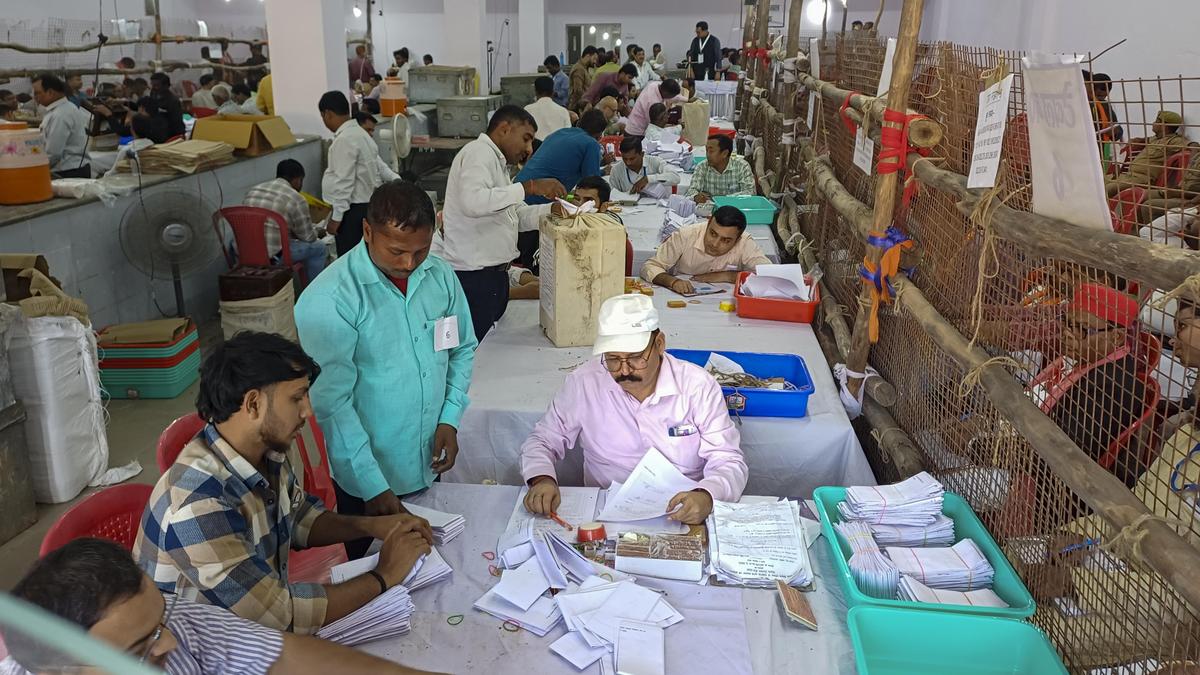
Metropolitan Legislative Council (MLC) elections in India use a fundamentally different voting mechanism than general assembly and parliamentary polls, necessitating the continued use of paper ballots rather than electronic voting machines (EVMs).
The key difference lies in the electoral system itself. While most Indian elections employ a first-past-the-post model where voters select a single candidate, MLC elections operate under proportional representation through the single transferable vote (STV) system. This mechanism requires voters to rank candidates in order of preference rather than simply marking one choice.
Electronic voting machines deployed across Indian elections are specifically designed to record a single vote per voter. Their architecture cannot accommodate the ranked preference voting system integral to MLC elections, making it technically impossible to adapt existing EVM technology for these polls without substantial redesign.
Because of this technical limitation, paper ballots remain the only viable option for conducting MLC elections. Voters physically mark their ballot papers to indicate their ranked preferences, a process that aligns with the constitutional framework governing these elections. Election commissions have determined that this method remains the most reliable way to ensure accurate representation of voter preferences under the proportional representation system.
The distinction underscores how India's electoral systems accommodate different voting mechanisms across various tiers of governance, with each method tailored to its specific representational requirements.