World · Singapore Bureau
Paper straws' environmental credentials questioned in major study
Research suggests conventional plastic straws may outperform paper alternatives on environmental measures, challenging assumptions about greener single-use options. The finding raises questions about the efficacy of recent bans on plastic straws across the region.
LSN Singapore ·
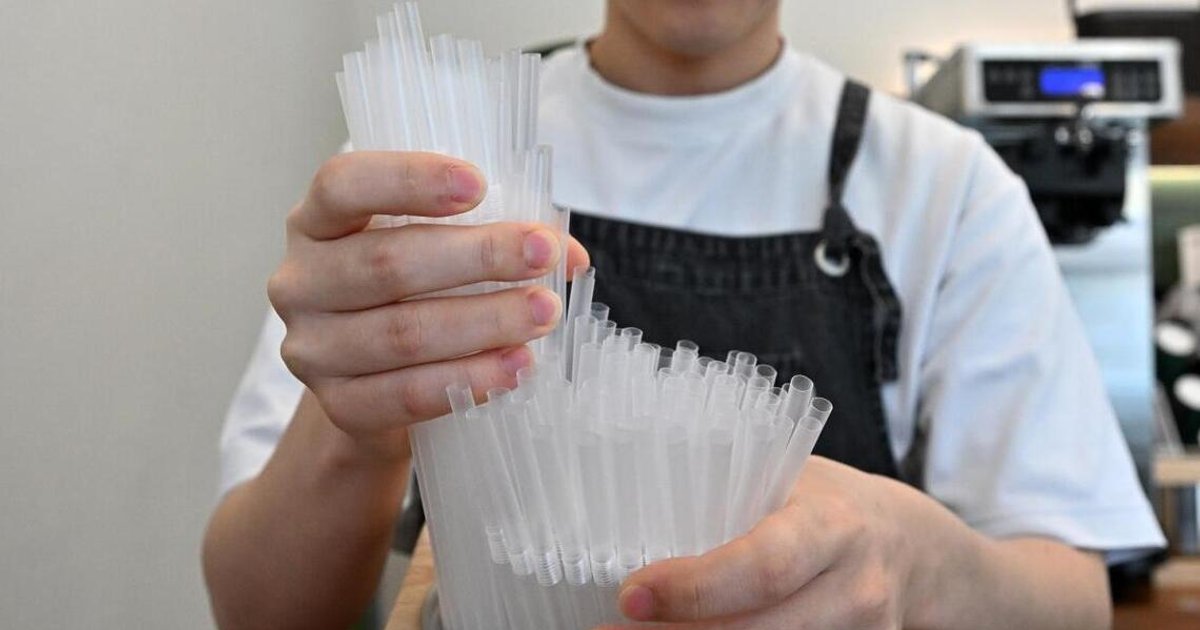
A comprehensive environmental assessment has found that bio-based polyethylene straws performed worse than traditional plastic counterparts in the majority of impact categories examined, potentially undermining the rationale behind straw bans implemented across several Asian markets.
The study evaluated 16 different environmental metrics across various straw materials. Bio-based polyethylene straws, commonly marketed as an eco-friendly alternative, showed the poorest performance in 10 of these categories, according to the research findings. The results suggest that the shift toward paper straws may not deliver the environmental benefits initially anticipated when countries began restricting single-use plastics.
The research indicates that conventional plastic straws fare better across key environmental measures, though experts caution that lifecycle assessments must consider factors beyond manufacturing impacts, including decomposition rates and marine pollution risks. The findings come as Singapore and other Southeast Asian nations continue efforts to reduce single-use plastics, raising questions about whether current policy approaches adequately account for comprehensive environmental trade-offs.
Environmentalists and policymakers are now reassessing the effectiveness of blanket bans on specific materials. While paper straws avoid persistent ocean pollution associated with plastics, their production may carry higher environmental costs in other dimensions. The study underscores the complexity of designing truly sustainable alternatives and suggests that material choices require deeper scientific scrutiny before widespread implementation.