Politics · Malaysia Bureau
Papua New Guinea considers population growth policy amid demographic boom
Papua New Guinea is exploring measures to manage rapid population growth as the South Pacific nation ranks among the world's fastest-expanding economies. The initiative reflects concerns about sustainability despite significant uncertainties in the country's demographic data.
LSN Malaysia ·
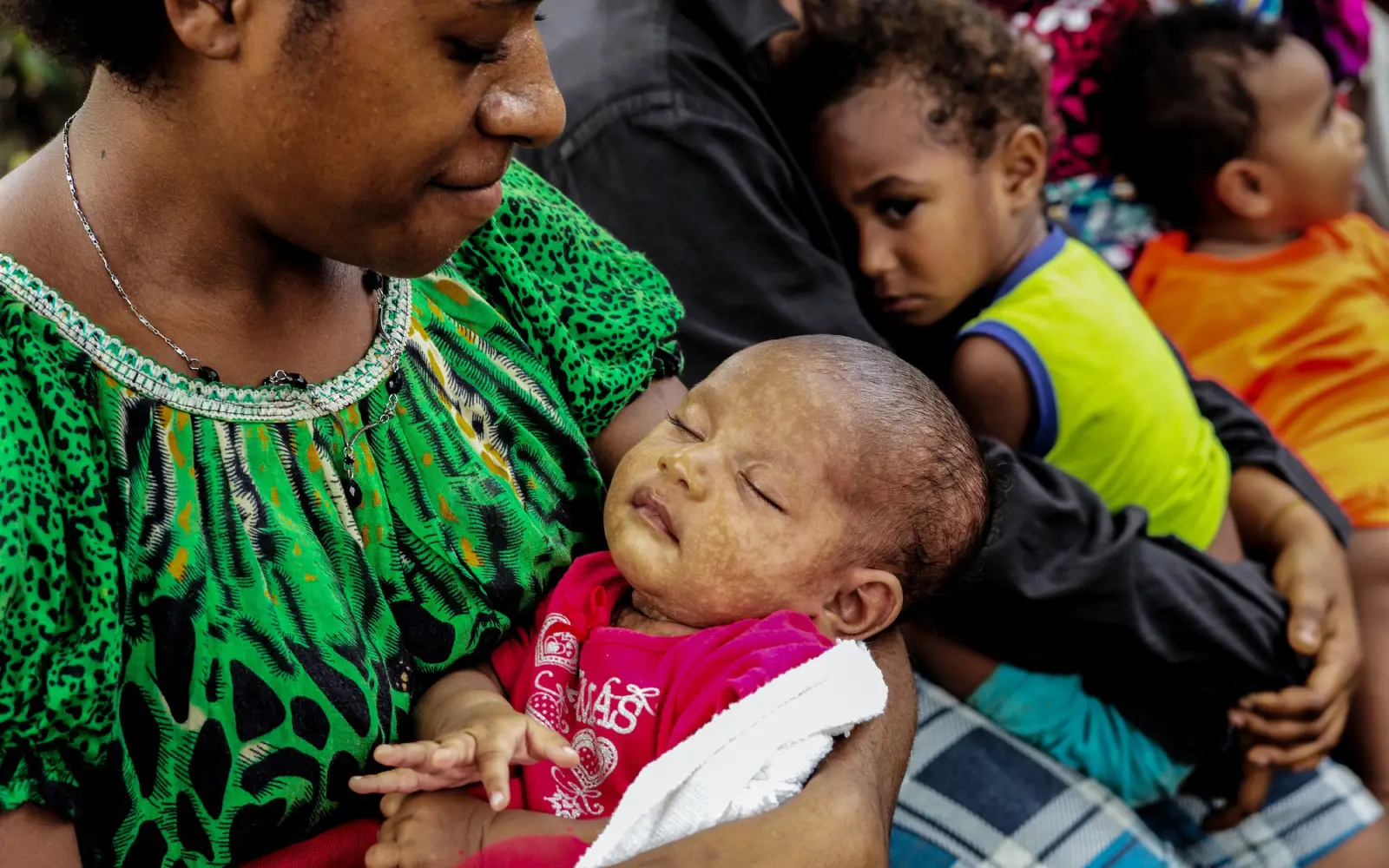
Papua New Guinea is examining policy options to manage its burgeoning population, including considerations around family size guidelines, as the nation grapples with the challenges of rapid demographic expansion. The resource-rich country has consistently ranked among the world's fastest-growing economies, driven largely by extractive industries and commodity exports.
Government officials have raised the prospect of incentivizing smaller family units as a potential policy tool, though concrete legislative measures have yet to be formally tabled. Proponents argue that managing population growth could ease pressure on the country's infrastructure, healthcare systems, and educational services.
However, any such initiative faces significant challenges, including widespread poverty in rural areas where large families remain economically important for subsistence and labour. Cultural and religious factors also play a substantial role in family planning decisions across the nation's diverse population.
A major complication for policymakers is the unreliability of Papua New Guinea's census data. The most recent comprehensive census figures are considered outdated by demographic experts, making it difficult to establish accurate baseline statistics for population trends and projections. This data gap creates uncertainty around the true scale of growth rates and demographic challenges the nation faces.
Any population management policy would require extensive consultation with communities across the archipelago nation and coordination between national and provincial authorities.