World · India Bureau
Paramilitary Forces Deployed Across Arunachal Districts Amid Dam Protests
Thirty paramilitary companies have been stationed in three districts of Arunachal Pradesh following anti-dam demonstrations in the region. The deployment spans Upper Siang, Siang, and East Siang districts.
LSN India ·
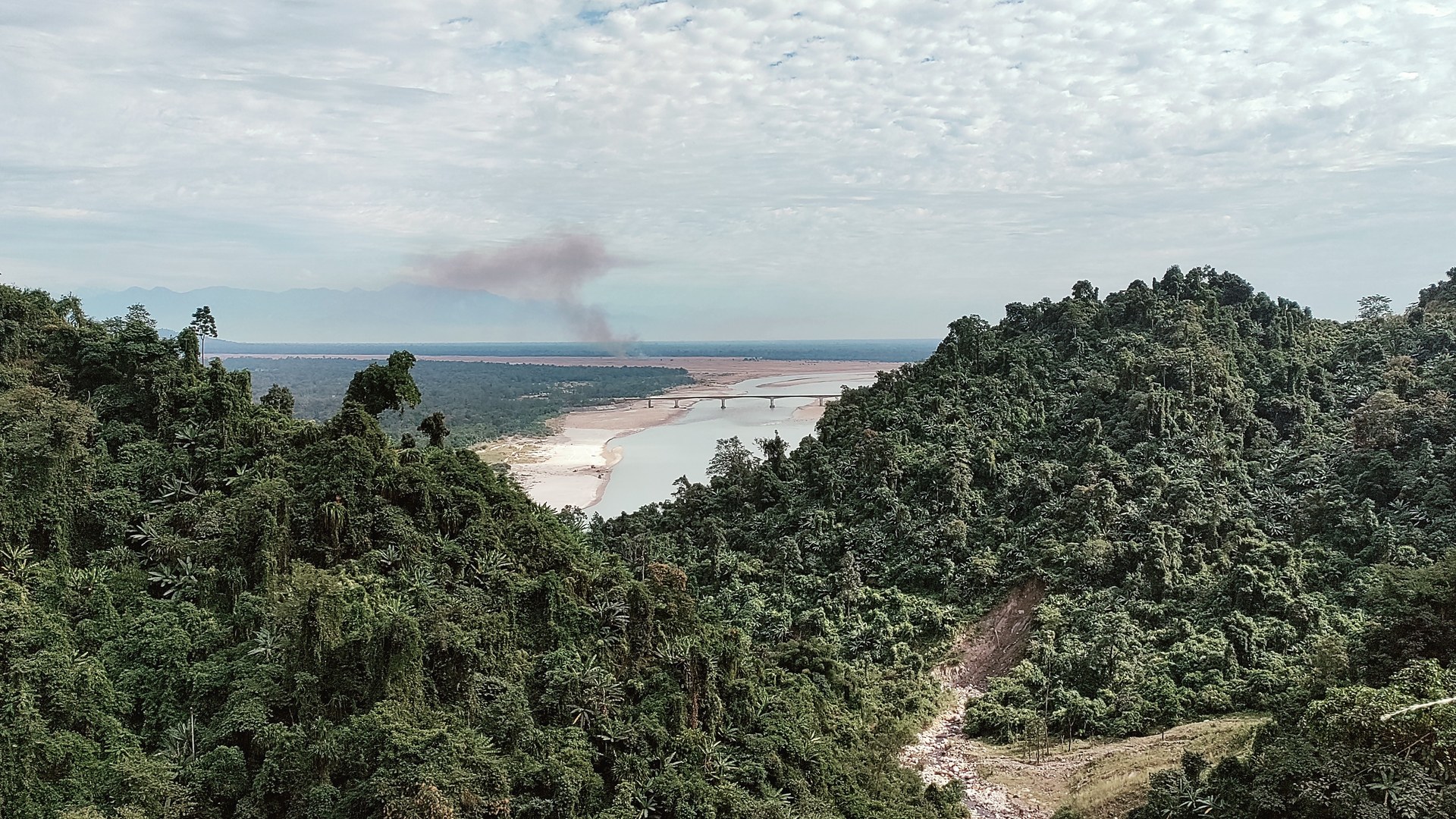
The Central government has mobilized thirty paramilitary companies across three districts in Arunachal Pradesh's eastern region, marking a significant security response to ongoing protests against proposed hydroelectric dam projects. The deployment has been distributed across Upper Siang, Siang, and East Siang districts, areas that have emerged as focal points of resistance to the infrastructure initiatives.
The move reflects growing tensions between local communities and development authorities over the environmental and social implications of large-scale dam construction in the region. Residents and civil society groups in these districts have intensified their opposition to multiple dam projects planned along the Siang river system, citing concerns about ecological damage and the displacement of indigenous populations.
The three affected districts are predominantly inhabited by tribal communities, many of whom depend on traditional livelihoods closely tied to the river ecosystem. Opposition to the dams has consolidated support across these areas, with demonstrations drawing participation from various community organizations and local leadership.
The paramilitary deployment represents an escalation in the government's approach to managing the situation in these sensitive border districts. Officials have framed the deployment as necessary to maintain law and order, though civil rights groups have raised concerns about the implications for peaceful protest and community engagement on development issues.
Photo: The Siang River at Pasighat, East Siang district, Arunachal Pradesh, December 2023. Rashid Jorvee via Wikimedia Commons (CC BY-SA 4.0).