Politics · Bangladesh Bureau
Parliament bypassed in Chittagong Port lease agreement decision
Questions have emerged over why the Chittagong Port Authority proceeded with a major lease agreement without parliamentary discussion or approval. The decision has drawn scrutiny from lawmakers and observers concerned about procedural transparency.
LSN Bangladesh ·
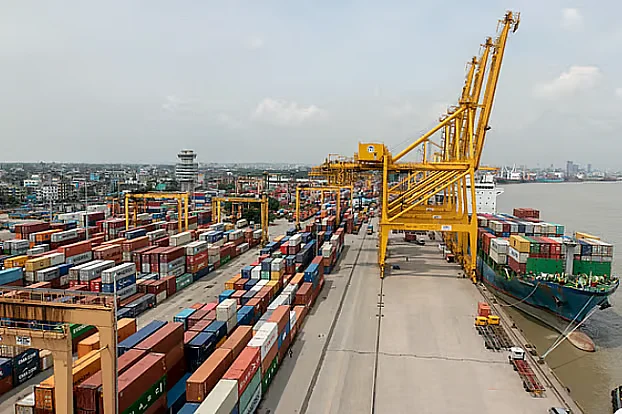
The Chittagong Port Authority's handling of a significant lease agreement has sparked debate about governance protocols and parliamentary oversight. Critics have questioned whether proper legislative procedures were followed before the port authority moved forward with the commercial arrangement, raising concerns about accountability in major port decisions.
Parliamentary involvement in major port agreements has traditionally been considered essential for transparency and public accountability. By circumventing the legislative process, observers argue the port authority may have weakened institutional checks on such consequential decisions affecting the nation's primary maritime gateway.
The issue reflects broader questions about the extent of autonomy granted to autonomous bodies like the Chittagong Port Authority and whether such independence should extend to agreements with significant financial and strategic implications. Legal and governance experts have indicated that commercial arrangements of this scale typically warrant parliamentary scrutiny.
The matter has prompted calls for clarification from relevant government authorities regarding the decision-making process and the legal basis for proceeding without parliamentary discussion. Officials have not yet provided detailed public responses to these procedural concerns, though the issue continues to draw attention from lawmakers and civil society observers monitoring port governance.