Politics · India Bureau
Parliament's Monsoon Session disruptions raise questions on legislative effectiveness
The Lok Sabha functioned for just 15% of its scheduled time during the Monsoon Session, prompting fresh concerns about parliamentary productivity and legislative scrutiny. The session's repeated disruptions have intensified focus on institutional accountability and the government's ability to conduct business.
LSN India ·
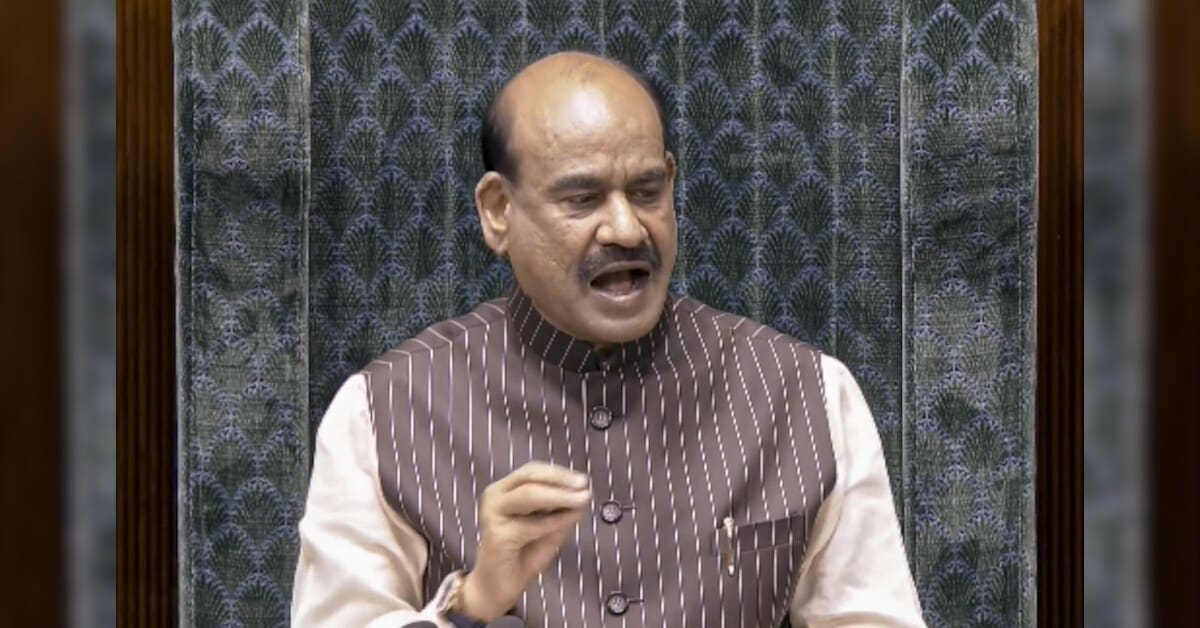
Parliament's Monsoon Session was marked by significant operational challenges, with the lower house managing to function for only 15% of its allotted time. The widespread disruptions have reignited debate among lawmakers and observers about the effectiveness of India's legislative processes and the impact on parliamentary oversight.
The sharp curtailment of functional hours represents a substantial loss of productive time for tabling bills, conducting debates, and scrutinising government policies. Members from multiple political parties have expressed concern that such disruptions undermine the core functions of Parliament and diminish opportunities for meaningful legislative scrutiny.
The delays in formally concluding the session have kept the matter in public focus, with observers noting that recurring disruptions across multiple sessions point to deeper challenges within Parliament's functioning. These include managing opposition concerns, coordinating between government and opposition benches, and maintaining orderly proceedings.
Parliamentarians and analysts have flagged that the reduced functionality directly impacts accountability mechanisms, potentially leaving critical issues unaddressed and reducing the legislature's ability to exercise its constitutional responsibilities. The session's performance has prompted calls for measures to ensure more productive parliamentary functioning in future sessions.
As Parliament prepares for subsequent sessions, the focus on operational efficiency and legislative productivity is likely to intensify, with stakeholders emphasising the need for constructive engagement and adherence to parliamentary protocols.