Politics · Bangladesh Bureau
Parliament's Third Session Exposes Deep Rifts Over Reform Agenda
Lawmakers have revealed significant divisions over proposed reforms during parliament's third session, with competing visions on the pace and scope of change becoming increasingly apparent. The growing fault lines suggest contentious debates ahead as legislators wrestle with fundamental policy directions.
LSN Bangladesh ·
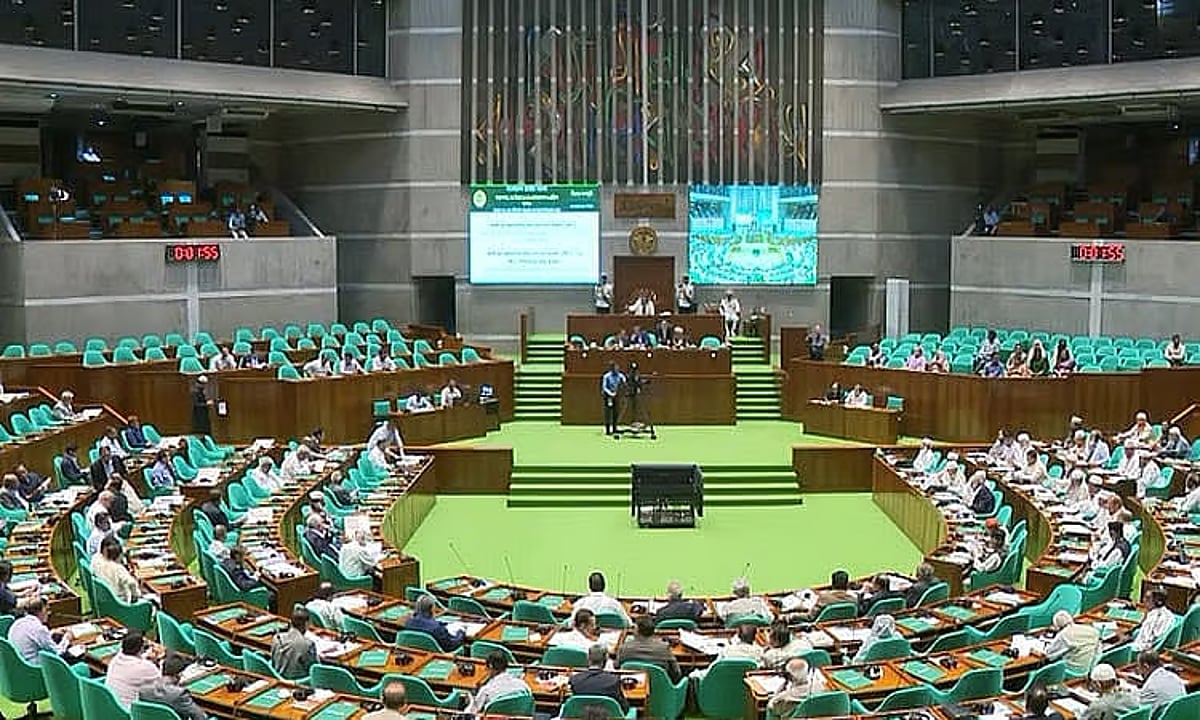
The third session of parliament has laid bare fundamental disagreements among lawmakers regarding the government's reform programme, signalling potential gridlock on key legislative priorities. Divisions have emerged across party lines and within coalition partners, reflecting competing philosophies on economic restructuring, institutional changes, and the speed at which reforms should be implemented.
Proponents of accelerated reforms argue that swift action is essential to address long-standing structural deficiencies and meet international standards. They contend that delays risk losing momentum and undermining public confidence in the reform process. Conversely, those advocating a more gradual approach warn of unintended consequences, including potential social disruption and economic volatility from rapid institutional change.
The debate extends to specific policy areas, with lawmakers disagreeing on priorities ranging from fiscal measures to governance frameworks. Some legislators have raised concerns about the transparency of the reform process and the adequacy of parliamentary consultation, while supporters maintain that the proposed mechanisms ensure sufficient oversight and public input.
As the session progresses, observers expect the divisions to sharpen further during votes on key legislative items. The emerging fault lines suggest that reaching consensus on the government's broader reform agenda will require substantial negotiation and compromise. Parliamentary leadership faces mounting pressure to broker agreements that can garner sufficient support while maintaining the substantive integrity of proposed changes.
The outcome of current parliamentary deliberations will likely shape the trajectory of Bangladesh's reform efforts for the coming years, making the resolution of these fundamental differences crucial to both the government's agenda and broader national development goals.