World · India Bureau
Parliamentary panel pushes to dilute India's forest rights protections
A key parliamentary committee has recommended weakening consent requirements for forest projects, proposing that supermajority approval from village councils could replace unanimous consent. The move marks another erosion of protections for forest-dwelling communities under India's forest rights laws.
LSN India ·
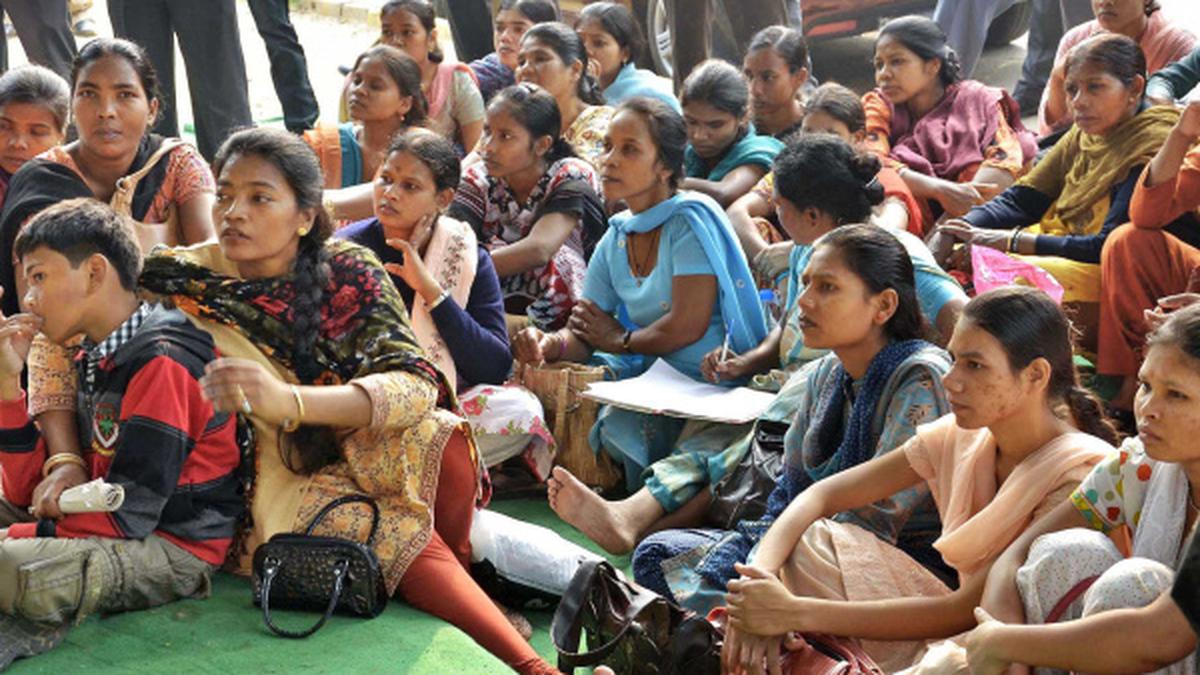
The Committee on Public Undertakings has recommended a significant shift in how development projects affecting forest communities are approved, suggesting that consent from a supermajority of gram sabhas could substitute for the existing requirement of approval from all affected village councils.
Under current provisions of India's forest rights framework, projects impacting forest-dwelling and tribal communities require the consent of every gram sabha in the affected areas. The committee's proposal would lower this threshold, allowing projects to proceed with backing from a larger portion—but not all—of the village bodies involved.
Forest rights advocates view the recommendation as a concerning progression in a broader pattern of dilution affecting indigenous and forest community protections. The change would make it easier for large-scale infrastructure and developmental projects to move forward despite objections from some affected gram sabhas, potentially marginalizing the voices of smaller or less organized communities.
The proposal reflects mounting pressure on India's forest governance structures as the country pursues rapid infrastructure development and resource extraction. Environmental and community rights groups have flagged multiple instances where protections for forest-dwelling populations have been gradually weakened through administrative and legislative measures.
The recommendation now enters the parliamentary process, where it faces scrutiny from lawmakers and is likely to draw objections from civil society organizations advocating for stronger community consultation mechanisms in forest-related development decisions.