Politics · Bangladesh Bureau
Parliamentary Walkouts: Origins and Triggers of Legislative Boycotts
Legislative walkouts have become an increasingly common tactic in parliaments across South and Southeast Asia, with lawmakers using boycotts to protest policies and procedural decisions. Understanding the history and motivations behind these demonstrations reveals shifting political dynamics in the region's democratic institutions.
LSN Bangladesh ·
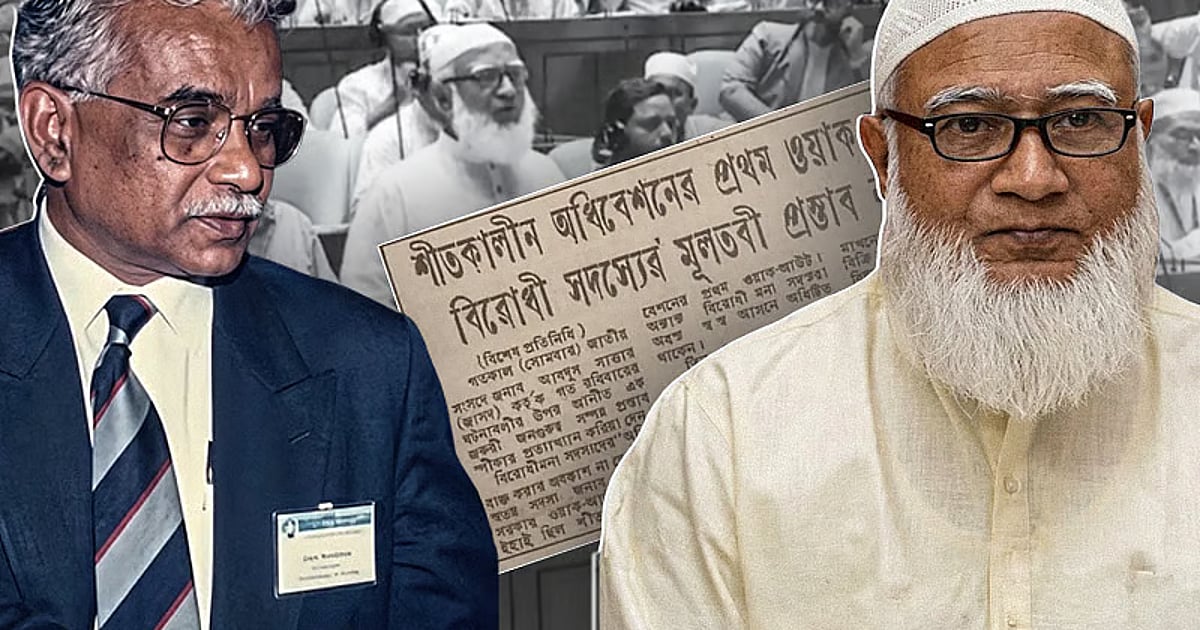
Parliamentary walkouts represent a form of legislative protest where members absent themselves from proceedings to signal dissent or opposition. The practice has deep historical roots in democratic assemblies, with early instances documented in European and Commonwealth parliaments dating back several centuries. In South and Southeast Asia, such boycotts have become more frequent in recent decades as lawmakers seek alternative methods to challenge government decisions or procedural matters.
The motivations behind parliamentary walkouts vary considerably depending on political context and circumstances. Opposition parties often resort to boycotts when they believe their voices are being marginalized or when legislative procedures are being manipulated. Walkouts may also occur in response to contentious bills, disputes over speaker appointments, or broader political standoffs between government and opposition blocs.
Regional parliaments have witnessed notable instances of member boycotts across multiple countries. These actions typically serve dual purposes: they provide a visible demonstration of protest that attracts media attention and public awareness, while simultaneously removing opposition voices from legislative debates. The effectiveness of such tactics depends on the scale of participation and the political leverage held by protesting members.
Parliamentary authorities and governing coalitions have responded to walkouts with varying degrees of accommodation or firmness. Some legislatures have implemented procedural changes to address grievances that prompted boycotts, while others have proceeded with business despite reduced attendance. The long-term impact of these demonstrations on legislative outcomes remains subject to ongoing political negotiations and constitutional frameworks governing individual parliaments.