Politics · Singapore Bureau
PAS Makes Historic Gains in East Malaysia Election Contest
The Malaysian Islamic party has achieved significant electoral advances in East Malaysia, marking a notable shift in the region's political landscape. The party's grassroots organizational strength, particularly through its network of educational institutions, has emerged as a key factor in its performance.
LSN Singapore ·
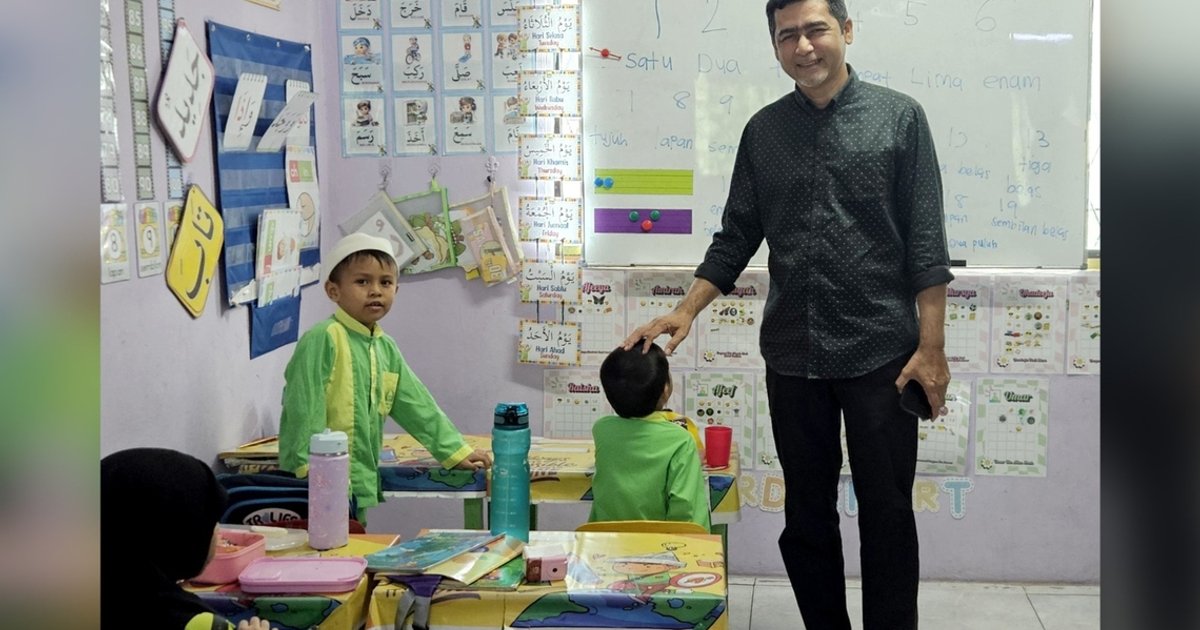
The Pan-Malaysian Islamic Party (PAS) has secured historic electoral gains in East Malaysia, representing a major breakthrough for the peninsula-based political organization in a region traditionally dominated by other political players. The party's expansion into East Malaysian politics signals evolving dynamics in the country's electoral landscape and reflects shifting voter preferences in Sabah and Sarawak.
Analysts point to the party's extensive organizational infrastructure as central to its success. A notable component of PAS's grassroots network comprises its chain of pre-schools and educational facilities, which has provided the party with deep community engagement and visibility across various regions. This educational footprint has enabled the party to establish direct contact with families and build localized support networks ahead of electoral contests.
The party's institutional strength extends beyond schools, encompassing a broader system of community organizations and religious centers that facilitate political mobilization. This comprehensive ground presence has allowed PAS to compete effectively in areas where it previously lacked significant political influence, translating organizational resources into electoral support.
The results underscore how political parties in Malaysia continue to leverage non-traditional channels—including educational and social institutions—to build electoral coalitions. For East Malaysia, where political alignments have historically been shaped by regional and ethnic considerations, PAS's breakthrough suggests that religious and community-based appeals can transcend traditional voting patterns when accompanied by strong organizational networks.