World · Malaysia Bureau
Pasir Gudang leads pollution surge as 25 Malaysian areas hit unhealthy levels
Air quality has deteriorated across Malaysia with Pasir Gudang recording the highest pollution index at 190. Twenty-five locations nationwide have slipped into the unhealthy category, raising health concerns for residents.
LSN Malaysia ·
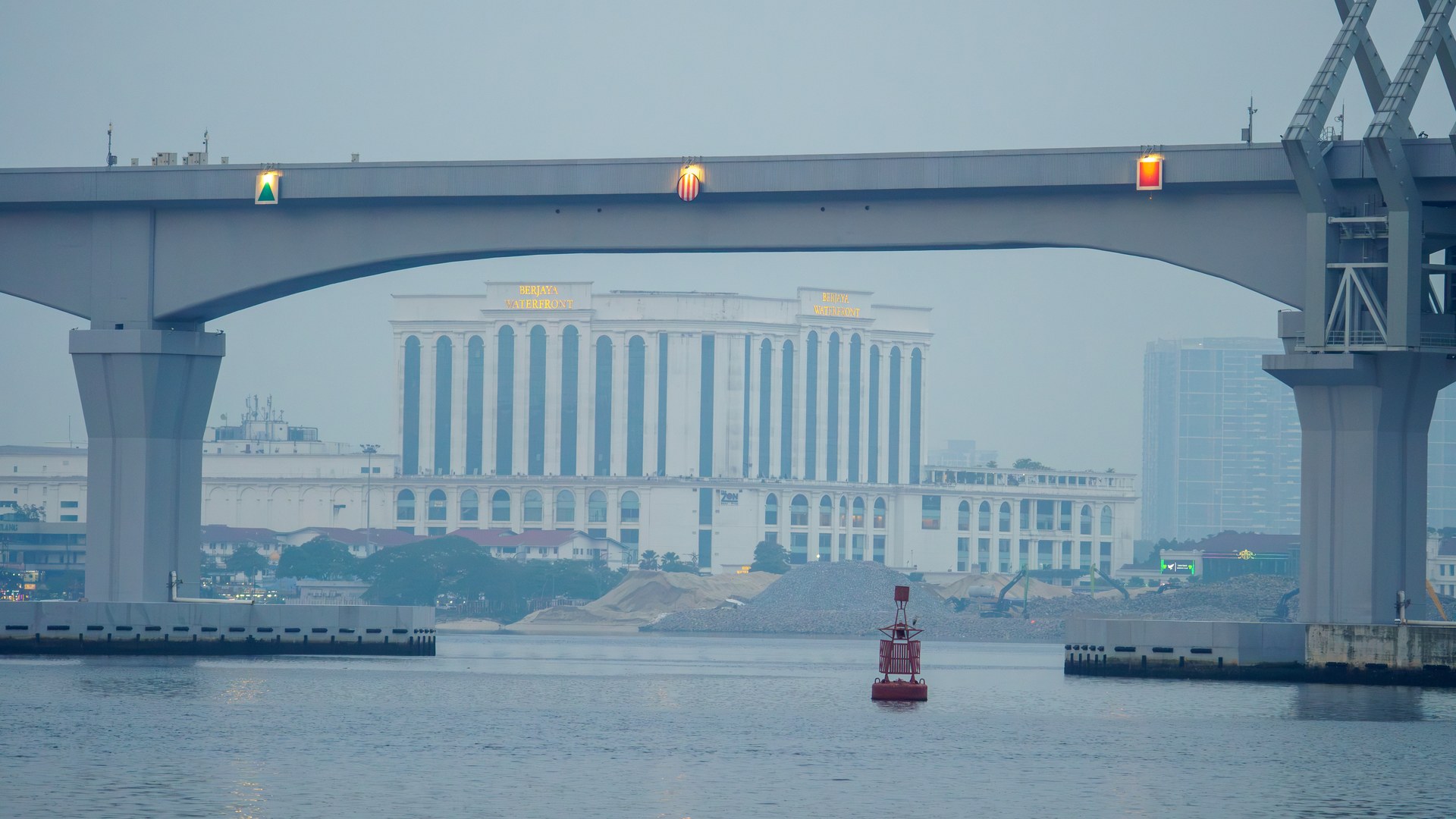
KUALA LUMPUR — Air quality conditions have worsened significantly across Malaysia, with the Johor industrial town of Pasir Gudang topping the pollution index at 190, according to latest readings from the Department of Environment.
A total of 25 areas nationwide have recorded unhealthy air pollutant index (API) levels, marking a concerning spike in environmental degradation. The readings, which measure concentrations of particulate matter and other airborne pollutants, indicate conditions that may pose respiratory risks to vulnerable populations including children, the elderly, and those with existing health conditions.
Pasir Gudang, a major petrochemical and manufacturing hub in the south, has emerged as a particular hotspot for air pollution. The area's industrial activities have historically contributed to elevated pollution levels, though the current figures suggest conditions have deteriorated beyond typical seasonal patterns.
Healthy API readings typically fall below 50, while levels between 51 and 100 are considered moderate. An unhealthy classification begins at 101 and above, when the government typically advises vulnerable groups to limit outdoor activities and take protective measures.
Environmental authorities have not yet issued specific mitigation advisories, though the widespread nature of unhealthy readings across 25 locations suggests a broad atmospheric issue affecting multiple states.
Photo: Haze over Johor Bahru, with the Berjaya Waterfront Hotel seen across the Johor Strait from Woodlands, Singapore, September 2026. Robert Sim via Wikimedia Commons (CC BY-SA 4.0).