World · World News Bureau
Pentagon chief pursues sweeping cuts to senior military leadership ranks
US Defense Secretary Pete Hegseth is moving forward with a plan to eliminate approximately one-fifth of general and admiral positions as part of a broader military restructuring. The initiative has drawn intense scrutiny over the removal of senior officers and its implications for force readiness.
LSN World News ·
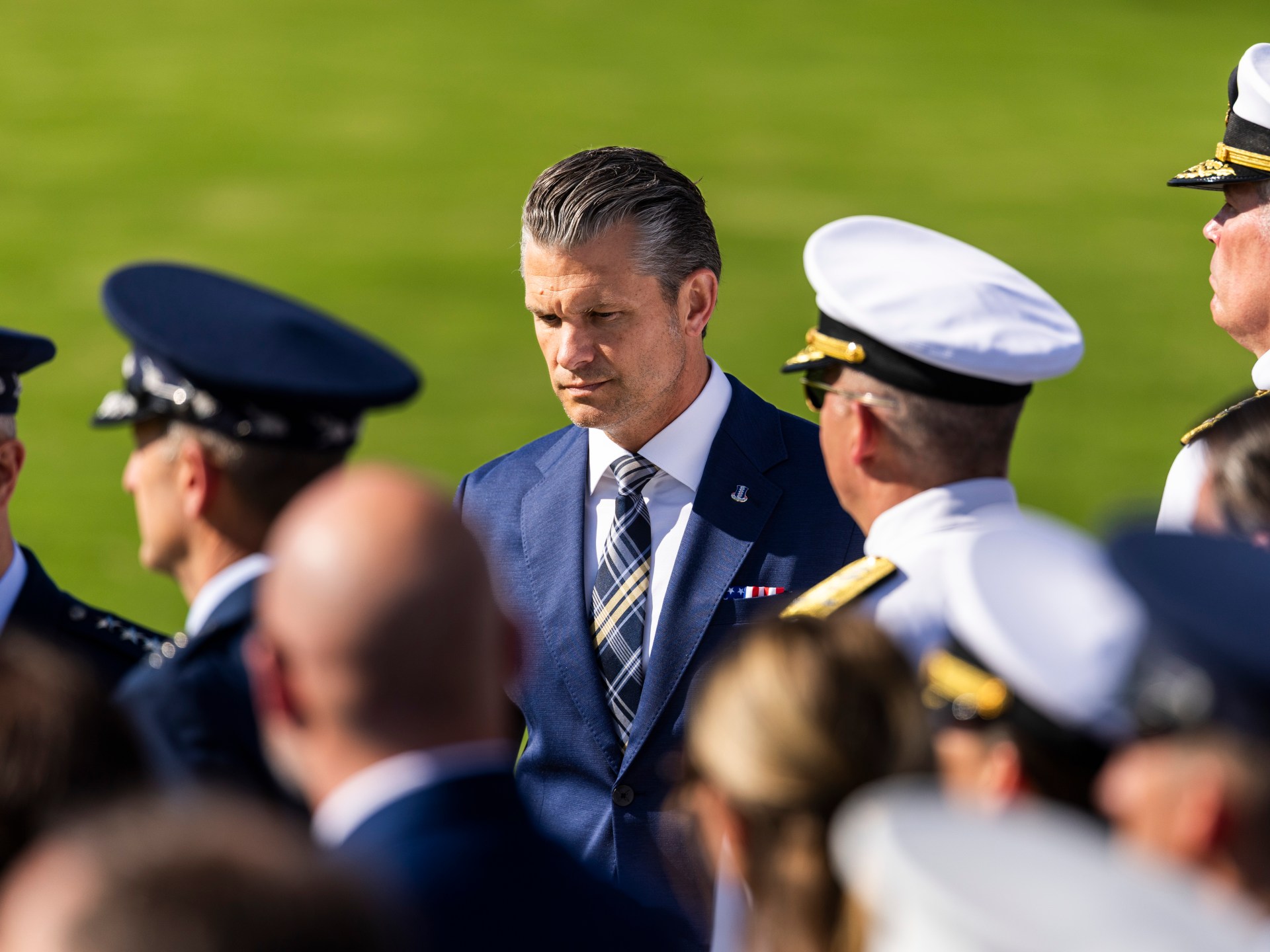
Pete Hegseth, the newly appointed US Defense Secretary, is advancing a significant overhaul of the Pentagon's command structure that would slash roughly 20 percent of general and admiral positions across the armed forces. The proposal represents one of the most substantial reductions in senior military leadership in recent years and signals a potential shift in how the Department of Defense plans to operate going forward.
Proponents of the measure argue that eliminating redundancies in the upper echelons of military command could improve efficiency and reduce bureaucratic overhead. The restructuring would redirect resources toward frontline capabilities and modernization efforts, according to department officials. Hegseth has positioned the cuts as part of a broader effort to streamline Pentagon operations and ensure the military remains agile amid evolving global security challenges.
However, the proposal has faced considerable pushback from lawmakers, military analysts, and senior officers concerned about the potential consequences. Critics contend that the depth of cuts could compromise command and control capabilities, diminish mentorship of junior officers, and destabilize institutional knowledge within the armed forces. The removal of experienced senior leaders has raised particular concerns about whether the Pentagon can maintain operational effectiveness during a period of heightened geopolitical tensions.
Military officials have highlighted the challenge of maintaining force readiness while implementing such substantial organizational changes. The timeline and implementation details of the restructuring remain subject to ongoing discussions within the Pentagon and Congress, where lawmakers retain authority over military personnel matters. The outcome of this initiative could significantly influence how the US military structures its leadership hierarchy for years to come.