World · Singapore Bureau
Peranakan culture's rising profile raises questions over authenticity
As Peranakan heritage gains mainstream attention across the region, cultural custodians grapple with balancing increased visibility against concerns about preservation. The debate reflects broader tensions between cultural evolution and tradition.
LSN Singapore ·
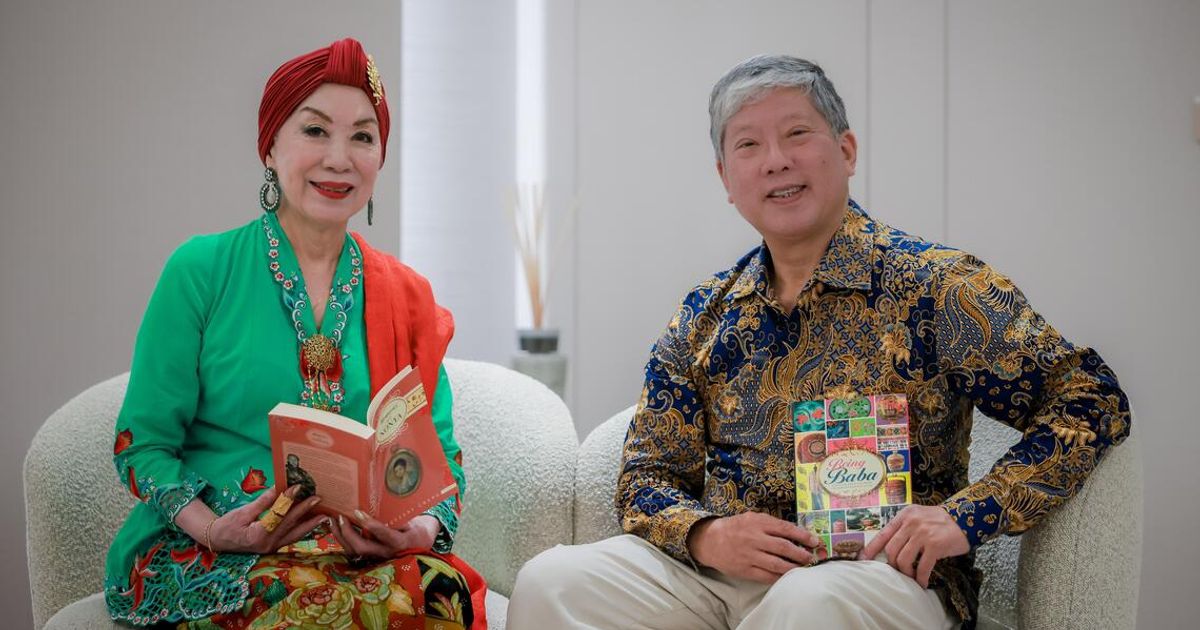
The resurgence of interest in Peranakan culture—the distinctive heritage of descendants of Chinese merchants who settled in Southeast Asia centuries ago—has brought the community's customs, cuisine, and craftsmanship into the spotlight. Museums, restaurants, and cultural festivals celebrating this hybrid tradition have proliferated, particularly in Singapore, Malaysia, and Indonesia, drawing both locals and tourists seeking authentic experiences.
Yet this heightened visibility has sparked a nuanced conversation within heritage circles about what constitutes genuine preservation. Some community members worry that commercialization and mainstream adaptation risk diluting traditional practices, from intricate beadwork and elaborate dress to ancestral recipes and ceremonial rituals that have been passed down through generations.
Others argue that broader cultural engagement represents natural evolution rather than erosion. Proponents of this view contend that living traditions must adapt to remain relevant to younger generations, and that increased public interest creates opportunities for knowledge-sharing and intergenerational transmission of skills that might otherwise fade.
Cultural experts note that the tension between preservation and evolution is not unique to Peranakan heritage. The challenge lies in establishing frameworks that allow traditions to flourish in contemporary contexts while maintaining core elements that define community identity. As the region continues to urbanize and globalize, how Peranakan communities navigate this balance will likely influence similar heritage preservation efforts across Asia.