World · India Bureau
Perfect Semolina Halwa: Tips for Ideal Texture During Navratri Season
As devotees prepare semolina halwa for Navratri offerings and rituals, culinary experts share proven techniques to achieve the ideal consistency—neither sticky nor dry—ensuring the traditional dessert turns out perfectly every time.
LSN India ·
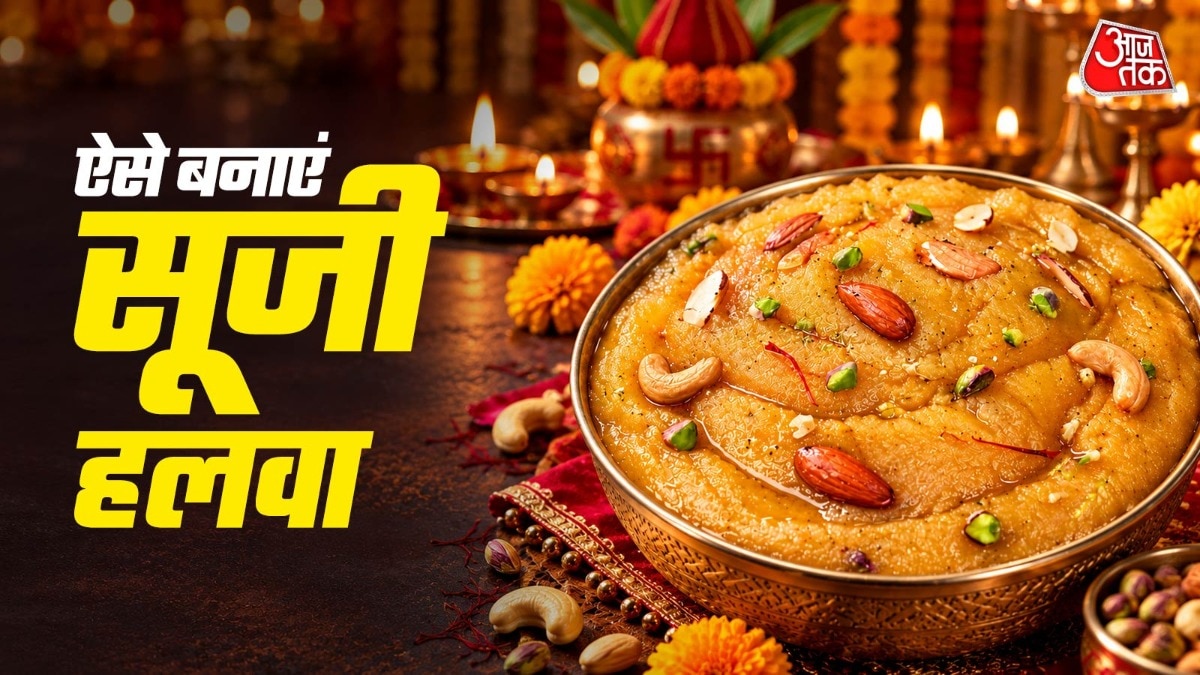
Semolina halwa, or suji ka halwa, is a cherished offering during Navratri celebrations across India, particularly for goddess worship and the Kanjak ritual. However, many home cooks struggle to achieve the desired texture, often ending up with either an unpleasantly sticky mass or an overly dry preparation.
The key to preparing perfectly textured semolina halwa lies in understanding the precise balance between the dry and wet ingredients, along with careful temperature control throughout the cooking process. Culinary practitioners recommend roasting the semolina thoroughly in ghee over medium heat until it releases a nutty aroma—typically 5-7 minutes—before adding the sugar syrup. This roasting step is crucial for developing the granular texture and preventing lumpiness.
When preparing the sugar syrup, dissolve sugar in water and heat it separately until it reaches a warm temperature, roughly matching the heat of the roasted semolina. Adding warm syrup to warm semolina, rather than cold liquid, significantly reduces the risk of the mixture becoming sticky or forming lumps. The addition should be gradual, stirring continuously to ensure even absorption.
Experts also emphasize the importance of cooking time and heat management. The halwa should be cooked on medium heat for approximately 8-10 minutes after the syrup is added, allowing the semolina to absorb the liquid properly while maintaining individual grains. Continuous stirring prevents sticking to the pan and ensures even cooking throughout.
For those preparing halwa for religious offerings, maintaining these traditional cooking techniques not only ensures the dessert achieves the desired consistency but also preserves the authentic taste and quality that makes it special during festival seasons.