World · India Bureau
Permanent occupation of protest sites unconstitutional, says CJI
India's Chief Justice of India has ruled that indefinite occupation of public spaces cannot be permitted during demonstrations, while affirming citizens' right to protest. The statement came during hearings on police action against protests targeting the Chief Election Commissioner.
LSN India ·
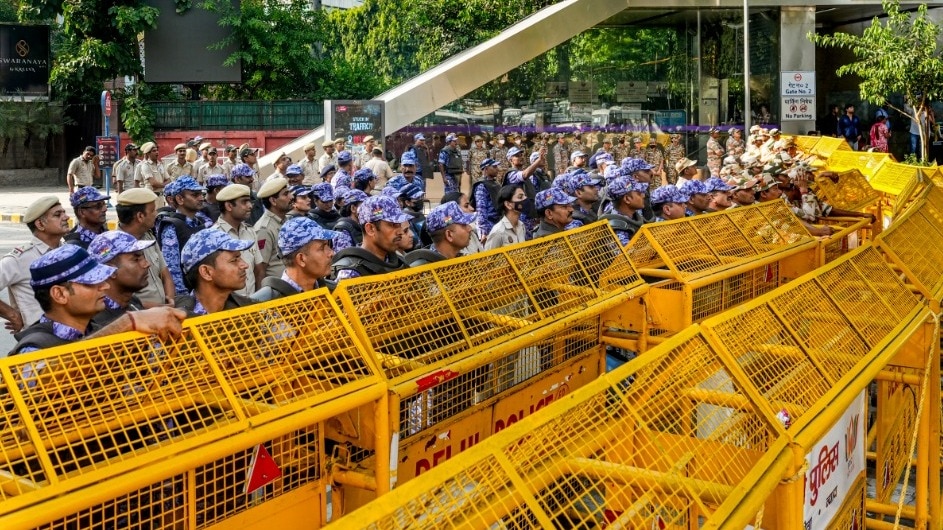
Chief Justice of India D.Y. Sundareshan has emphasized that while the right to protest is fundamental, demonstrations cannot involve permanent occupation of public spaces or obstruct access for others.
The remarks were made during hearings on petitions challenging police action taken against protests held against Chief Election Commissioner Gyanesh Kumar at New Delhi's Jantar Mantar.
The CJI stressed the need for time-bound protests and maintained that public spaces must remain accessible to all citizens. While acknowledging the constitutional right to dissent and demonstrate, the court highlighted the need to balance individual freedoms with public interest and the rights of other citizens to use shared spaces.
The bench indicated that while authorities must respect citizens' right to peaceful protest, demonstrators cannot claim indefinite occupation of public areas. The judgment underscores the judiciary's attempt to define boundaries between protected protest activity and obstruction that impedes public movement and access.
The hearing addressed concerns about police responses to the demonstrations while seeking to establish clearer guidelines for conducting lawful protests in the capital.