World · World News Bureau
Pet ownership surges as global birth rates decline, reshaping family structures
Demographic shifts across developed nations show a notable inverse relationship between declining birth rates and rising pet ownership, prompting researchers to examine how changing social priorities are reshaping the concept of family life.
LSN World News ·
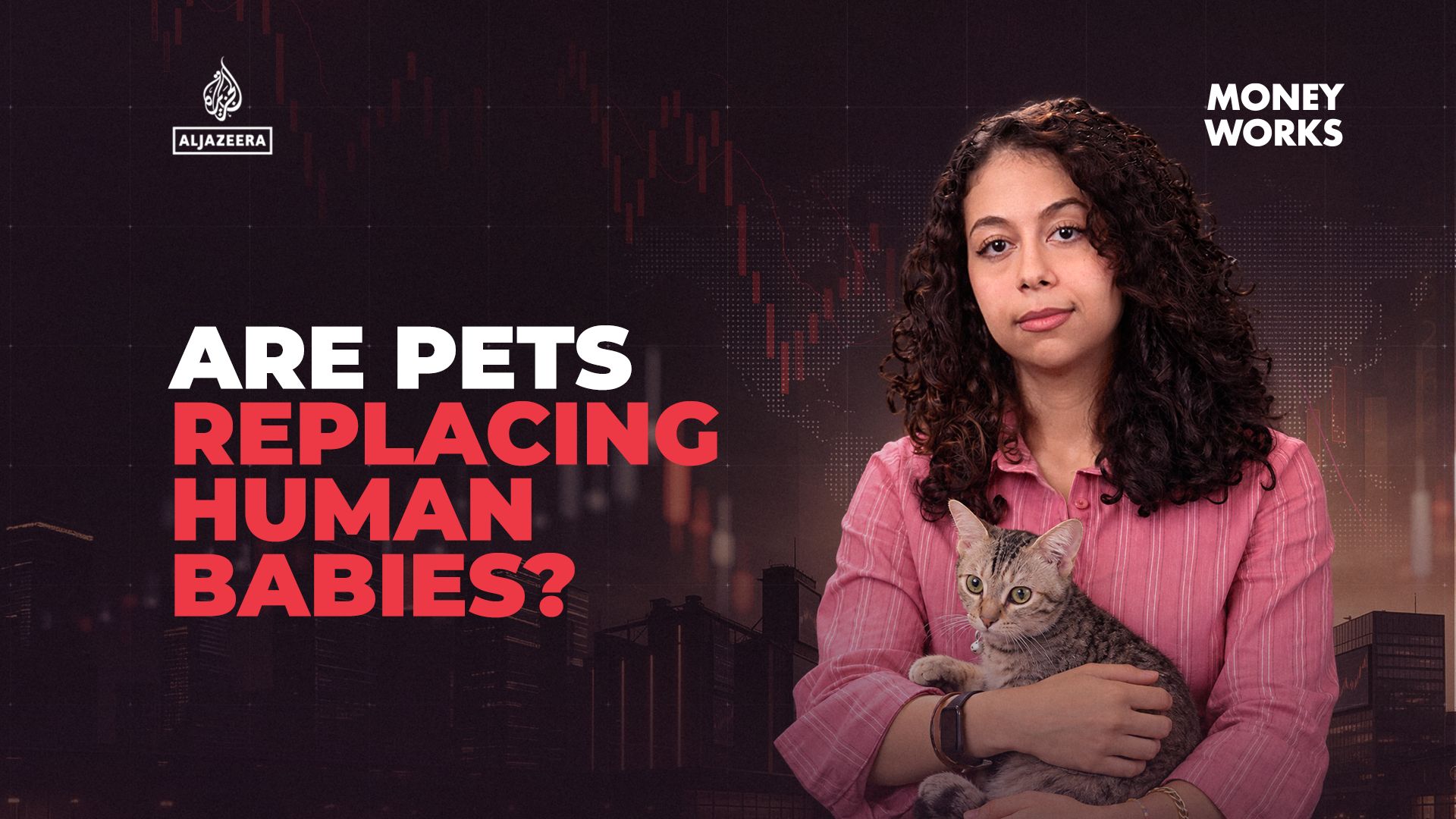
Birth rates continue to fall across developed economies while pet ownership reaches record levels, reflecting broader changes in how people define family and allocate resources in their lives. The trend is particularly pronounced in urban centers and among younger generations delaying or forgoing parenthood entirely.
Demographers attribute the shift to multiple interconnected factors, including rising costs of childcare and education, increased career-focused priorities, delayed marriage ages, and greater access to contraception. Simultaneously, pets have become increasingly integrated into modern lifestyles, with many owners viewing them as significant family members rather than mere companions.
The economic implications are substantial. Pet-related industries—including veterinary care, specialized foods, and accessories—have experienced considerable growth, while traditional child-centered markets show stagnation in many regions. Financial analysts note that pet ownership, while costly, typically requires fewer long-term commitments than raising children.
Social scientists caution against oversimplifying the relationship between these trends. Rather than pets directly replacing children, experts suggest both reflect deeper changes in personal values, economic circumstances, and societal structures. The phenomenon underscores how demographic transitions in developed nations are fundamentally reshaping household composition and cultural norms around family formation.