Politics · India Bureau
Petitioner files curative plea over alleged judicial bias in CEC appointment case
A Supreme Court petitioner challenging the constitutional validity of the Chief Election Commissioner's appointment process has moved a curative petition, citing concerns about potential bias involving a judge whose son purportedly holds a legal position with the Election Commission.
LSN India ·
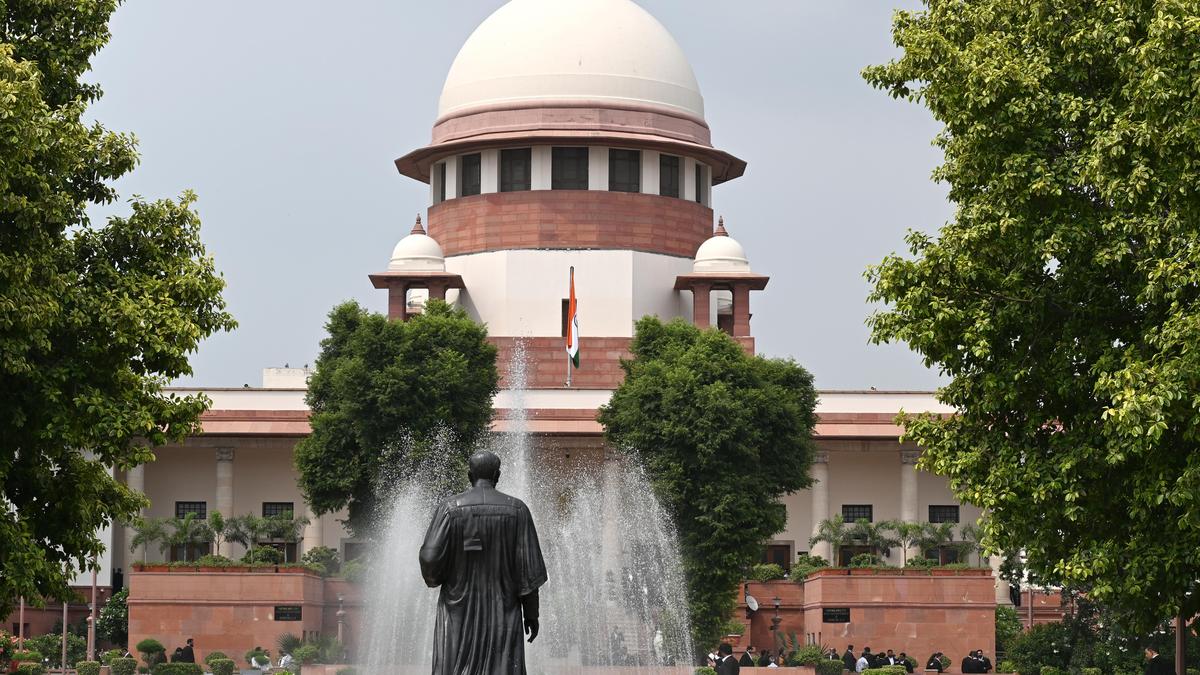
The curative plea has been filed in response to an earlier judgment on a petition that questioned the appointment mechanism for the Chief Election Commissioner and Election Commissioners under the Election Commission of India Act. The petitioner has raised questions about the impartiality of proceedings, pointing to allegations that a judge on the bench hearing the original case has a family connection to the Election Commission through professional arrangements.
According to the petition, the judge's son allegedly serves as standing counsel for the Election Commission before the Madhya Pradesh High Court, creating what the petitioner characterizes as a reasonable apprehension of bias. The curative petition seeks to address this concern and challenge the validity of the earlier order based on these grounds.
Curative petitions represent a rarely invoked extraordinary remedy available under Supreme Court rules, typically filed when petitioners believe a previous judgment has caused serious injustice due to jurisdictional lapses or procedural violations. Such pleas require meeting stringent conditions before they are even considered by the Court.
The case touches upon constitutional questions regarding the appointment process for India's election commissioners, a matter of significant institutional importance. The petitioner's latest move reflects ongoing legal challenges to the mechanisms governing how these critical positions are filled within the election administration structure.