World · India Bureau
Phage therapy emerges as potential weapon against antibiotic resistance
Bacteriophages offer a targeted approach to combating antimicrobial resistance by selectively destroying disease-causing bacteria without harming human cells. Experts say the technology could provide viable alternatives when conventional antibiotics prove ineffective.
LSN India ·
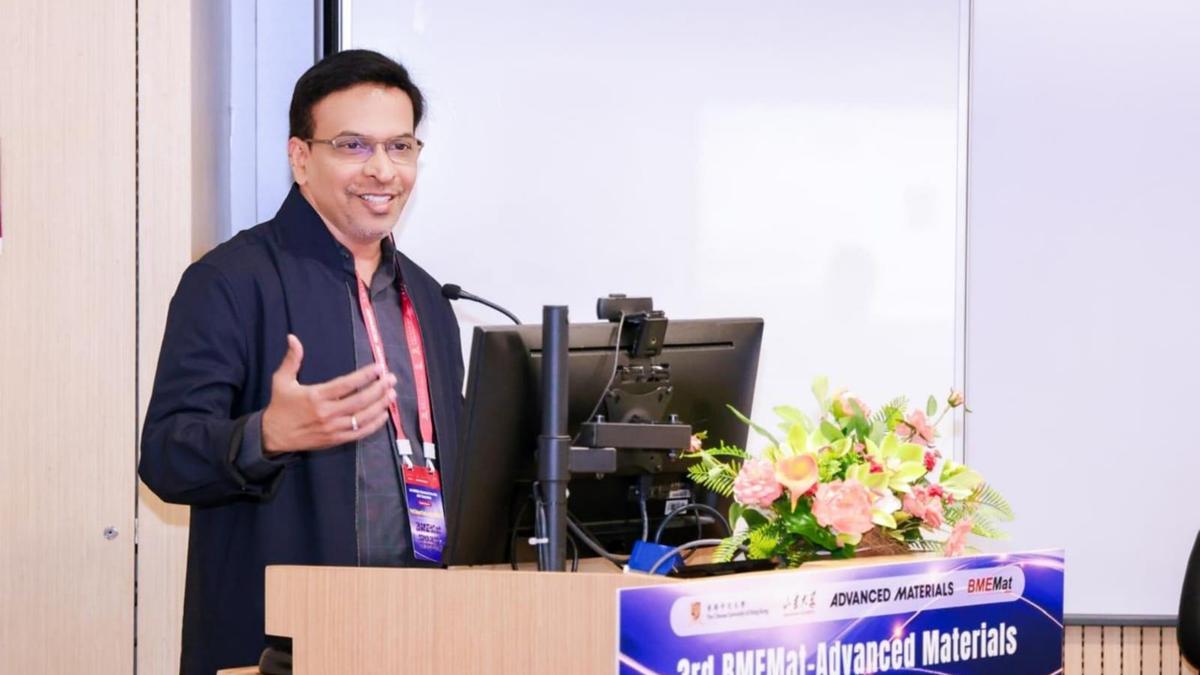
As antimicrobial resistance threatens to undermine decades of medical progress, researchers are increasingly turning to bacteriophage therapy as a promising intervention. According to medical experts, bacteriophages—viruses that naturally infect and destroy bacteria—present a fundamentally different approach to treating bacterial infections compared to traditional antibiotics.
The key advantage of phage therapy lies in its precision. Unlike broad-spectrum antibiotics that can affect multiple bacterial populations and contribute to resistance buildup, bacteriophages work by specifically targeting harmful pathogens while leaving beneficial bacteria and human cells unharmed. This selective action makes them particularly valuable in clinical scenarios where antibiotic resistance has rendered conventional treatments ineffective.
The growing interest in phage therapy reflects the urgent global health challenge posed by antimicrobial-resistant bacteria. As these pathogens become increasingly difficult to treat, the medical community is exploring alternative therapeutic strategies to maintain effective infection management and prevent treatment failures across various patient populations.
While phage therapy remains an area of active research and development, preliminary findings suggest it could play an important role in the broader arsenal against resistant infections. Healthcare professionals and researchers across South Asia are monitoring developments in this field as a potential solution to managing some of the most challenging bacterial infections facing modern medicine.