World · Bangladesh Bureau
Pharmaceutical residues contaminate Bangladesh's waterways, raising health risks
Unused and expired medications discarded into rivers are creating an emerging environmental crisis in Bangladesh, with pharmaceutical compounds accumulating in water sources that supply millions of people.
LSN Bangladesh ·
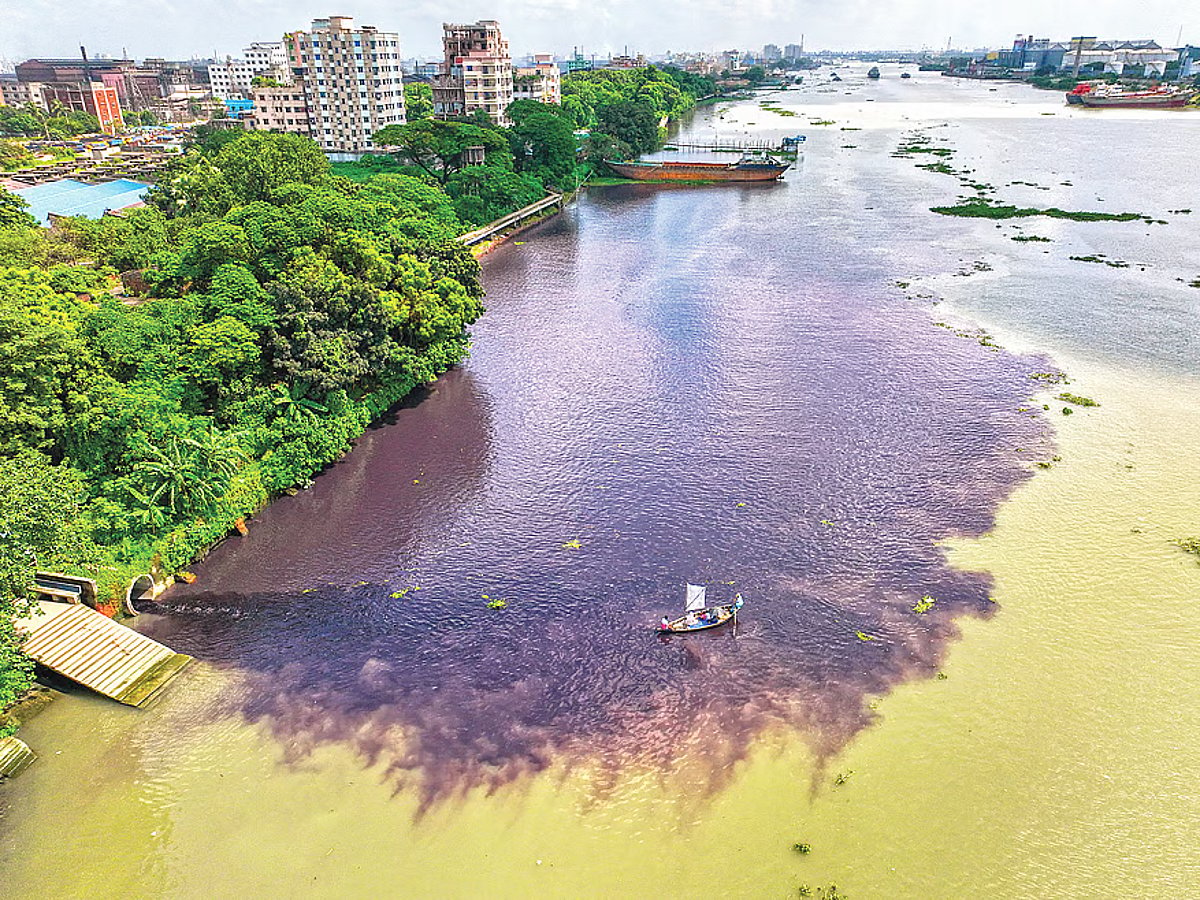
Bangladesh's major rivers are increasingly contaminated with pharmaceutical residues, posing a significant public health challenge as drug compounds persist in water systems used for drinking, irrigation, and industrial purposes. The contamination stems from improper disposal of unused medications, hospital waste, and pharmaceutical manufacturing byproducts that enter waterways without treatment, researchers and environmental officials have indicated.
The presence of antibiotics, painkillers, and hormonal compounds in river water has raised concerns among health experts about potential long-term exposure effects on populations dependent on these water sources. The problem is compounded by limited wastewater treatment infrastructure capable of filtering pharmaceutical compounds, which often remain in water even after conventional purification processes.
Environmental monitoring studies have documented measurable concentrations of common medications in samples from major waterways across the country. The situation reflects broader challenges in South Asia related to pharmaceutical waste management and the growing use of medications in both human and veterinary applications.
Environmental authorities and health officials have begun discussing regulatory measures to address pharmaceutical disposal, including stricter guidelines for hospitals and manufacturing facilities. However, implementation of comprehensive solutions remains hampered by limited resources and enforcement capacity across the country's vast network of water systems.