Business · Philippines Bureau
Philippine agriculture faces structural crisis beyond production concerns
The Philippine farming sector confronts mounting pressures from shrinking land holdings, soaring costs, and climate volatility, data shows. Experts warn that boosting yields alone cannot resolve deepening structural challenges threatening food security.
LSN Philippines ·
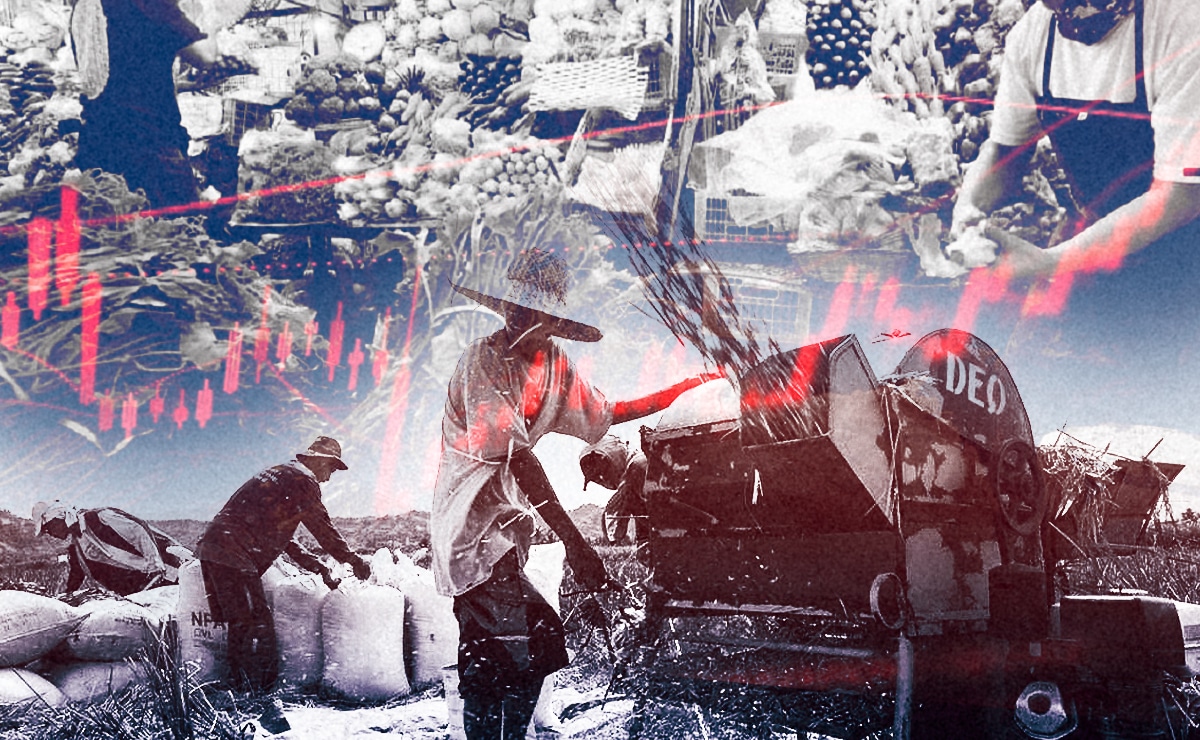
Philippine agriculture is grappling with a multifaceted crisis that extends far beyond production efficiency, as farmers contend with diminishing farm sizes, escalating operational expenses, and increasing reliance on foreign food supplies.
According to the Philippine Statistics Authority's 2022 Census of Agriculture and Fisheries, average farm size has contracted dramatically over five decades, falling from 3.61 hectares in 1970 to just 0.82 hectares today. This fragmentation of land holdings has made farming increasingly unviable for many rural families and limits mechanization opportunities that could offset rising production costs.
The sector faces compounding headwinds including climate change impacts, weak linkages to market systems, and mounting dependence on imported agricultural technologies and food products. Rising input costs have further squeezed farmer margins, even as yields remain stagnant or decline in some regions.
Analysts emphasize that addressing these systemic challenges requires interventions beyond productivity measures. Policy solutions must encompass land consolidation strategies, improved market infrastructure, climate adaptation investments, and support for local technology development to restore viability to Philippine farming and enhance national food security.