Technology · Malaysia Bureau
Philippine indigenous community faces uncertain future amid US tech initiative
The Philippines' inclusion in Pax Silica, a US-backed semiconductor and rare earth supply chain partnership announced in April, has raised concerns about potential impacts on local communities. Indigenous groups in the resource-rich region are seeking clarity on how the strategic alliance will affect their lands and livelihoods.
LSN Malaysia ·
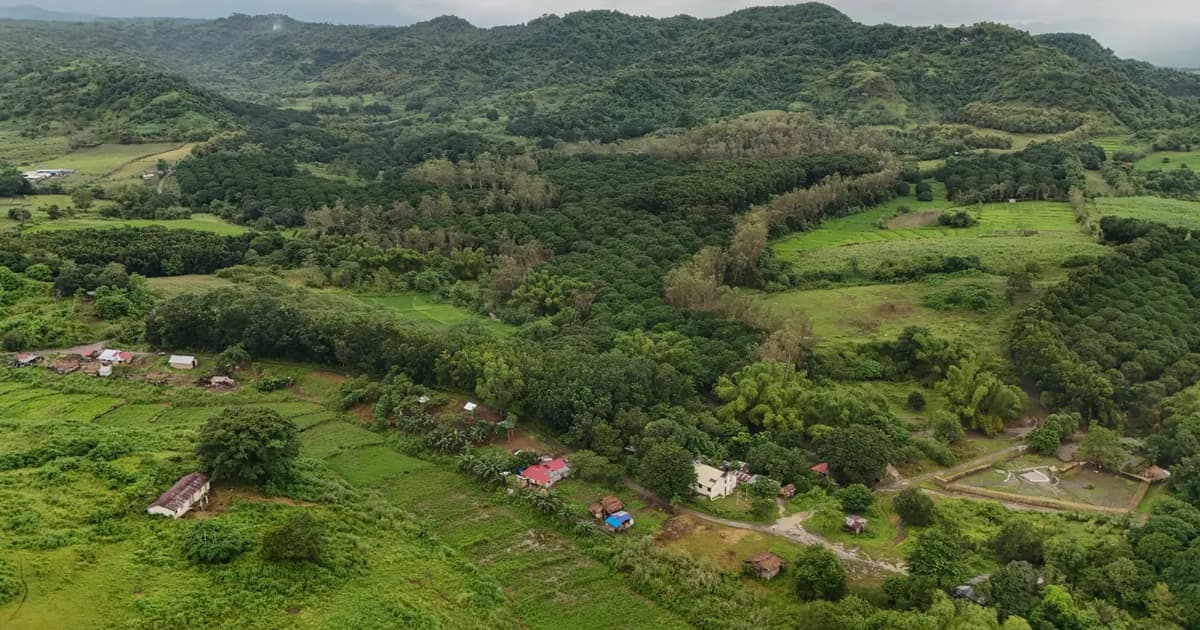
The Philippines joined Pax Silica as part of broader efforts by the United States to strengthen and diversify its semiconductor and rare earth supply chains outside of China. The strategic initiative, announced in April, aims to build resilient partnerships across allied nations to secure critical materials essential for technology production and national security.
However, the country's participation in the framework has created uncertainty for indigenous communities, particularly those inhabiting areas rich in rare earth minerals and other critical resources. These groups are pressing for assurances that development activities linked to the partnership will not proceed without their consent and full consultation.
Government officials have not provided detailed guidance on how Pax Silica's objectives will be implemented domestically or what safeguards will protect indigenous rights. The lack of clarity has prompted concerns that resource extraction could accelerate without adequate environmental assessments or respect for ancestral lands.
International observers note that similar supply chain initiatives in the region have sometimes moved forward without sufficient input from affected communities. Indigenous representatives are calling for transparent discussions with policymakers to ensure their voices shape any decisions regarding development projects in their territories.
The situation highlights broader tensions between strategic economic partnerships and the rights and welfare of local populations in resource-endowed regions across Southeast Asia.