World · Philippines Bureau
Philippine island turns to mangroves, nature to counter rising seas
Residents of Pamarawan Island in Bulacan province are abandoning concrete defenses in favor of natural solutions to combat flooding driven by storm surges, land subsidence, and climate-driven sea level rise. The shift marks a significant departure from traditional flood management approaches in vulnerable Philippine coastal communities.
LSN Philippines ·
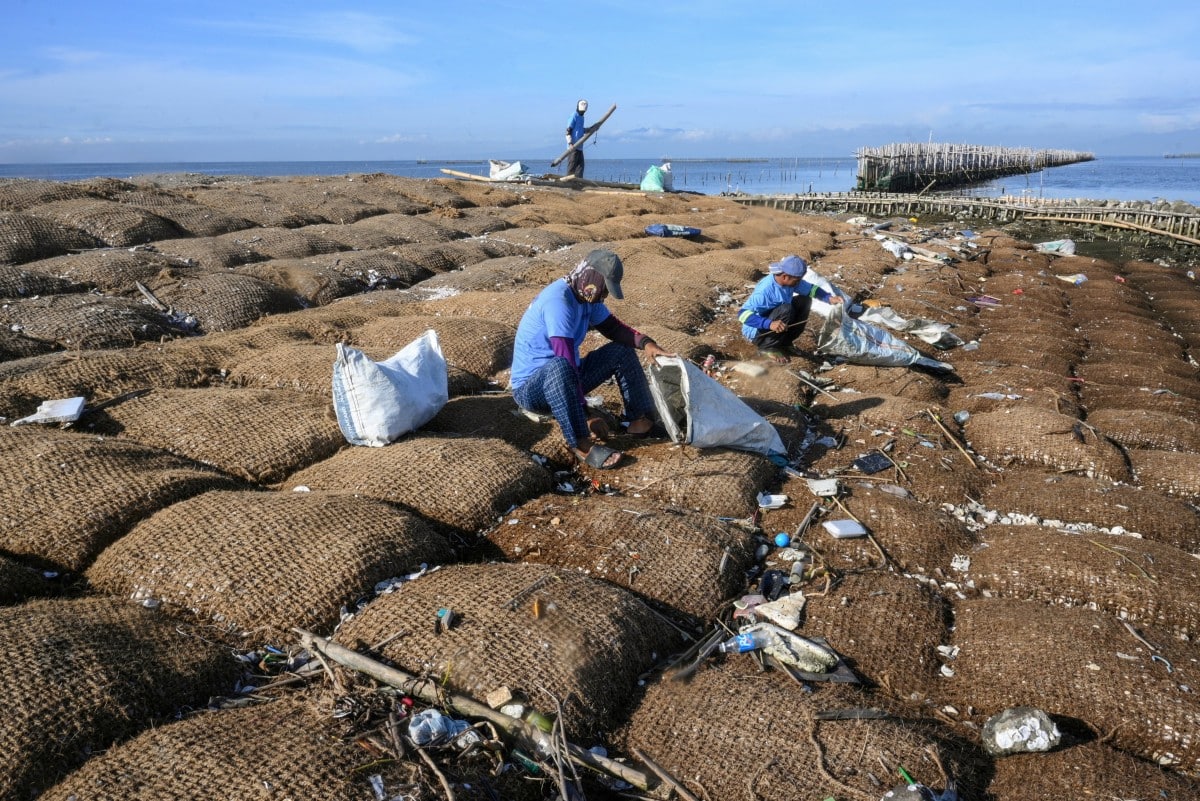
MANILA — For generations, residents of Pamarawan Island in Malolos City have responded to persistent flooding by stacking concrete barriers higher and higher, only to watch tidal surges breach their defenses repeatedly. The 3,000-strong community, located north of Manila, faces a triple threat: powerful storm surges, gradual land subsidence, and accelerating sea level rise linked to climate change.
Traditional concrete-based infrastructure has proven insufficient against these mounting pressures. Each monsoon season brings fresh devastation to homes and livelihoods, prompting local officials and environmental advocates to explore alternative approaches grounded in natural systems.
The island community is now experimenting with mangrove restoration and other nature-based solutions to absorb wave energy and stabilize shorelines. These ecological approaches aim to work with natural processes rather than against them, offering potential long-term benefits beyond what engineered structures alone can provide.
The shift reflects growing recognition among Philippine policymakers that climate resilience requires integrated strategies. For Pamarawan's residents, mangroves and natural barriers represent a new chapter in adapting to environmental pressures that concrete alone cannot withstand. The initiative underscores broader challenges facing low-lying Philippine communities as sea levels continue to rise.