World · Malaysia Bureau
Philippine mountain town lights fires to honour the dead on All Saints' Day
The remote tourist destination of Sagada in the Philippines has observed an eerie fire-lighting ceremony for over a century to mark All Saints' Day. The Panag-aapoy ritual, which translates to "lighting a fire," remains a distinctive cultural practice that blends indigenous tradition with religious observance.
LSN Malaysia ·
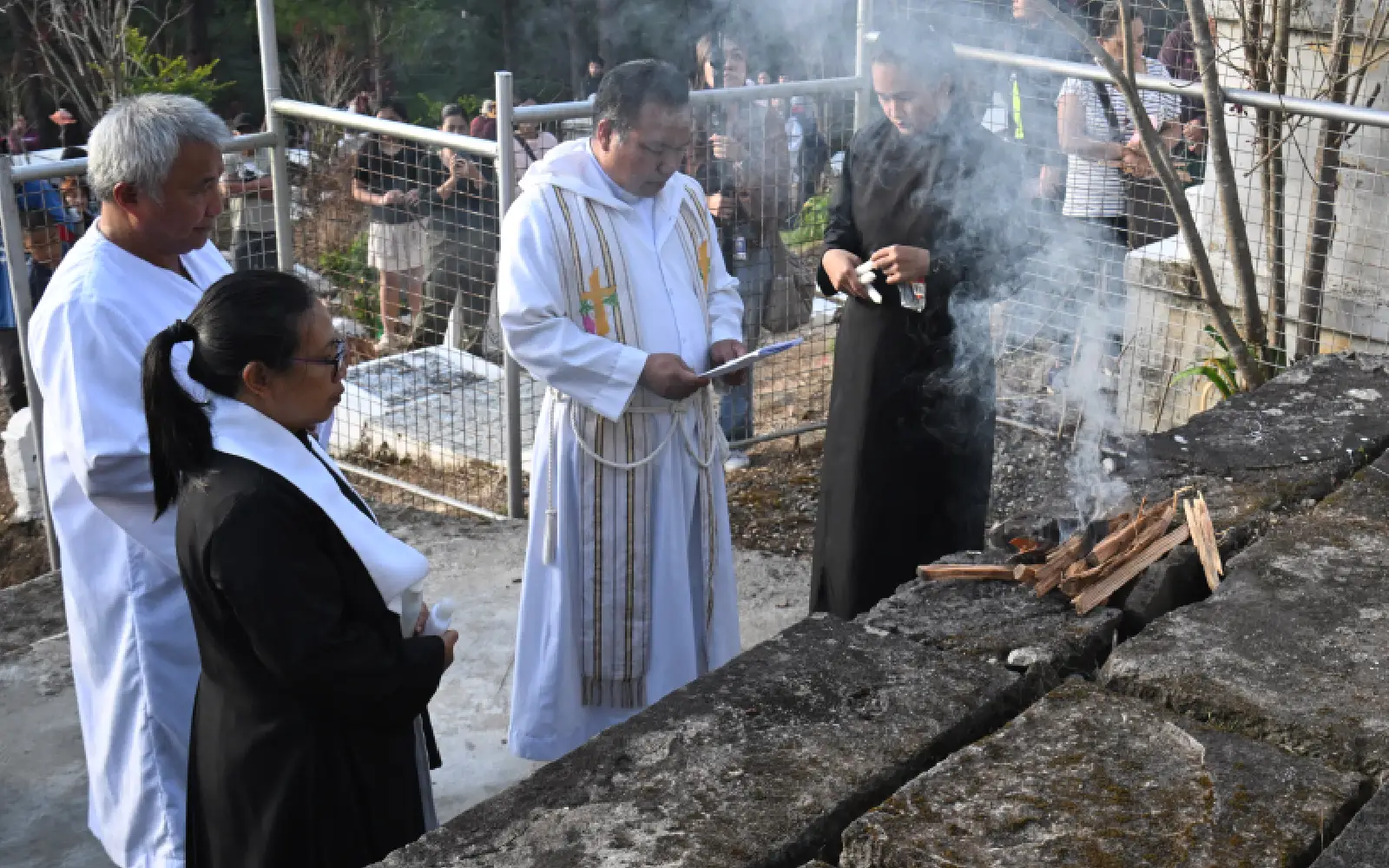
Each year as All Saints' Day approaches, residents of Sagada in the Mountain Province prepare for the Panag-aapoy ceremony, a haunting tradition that has persisted for 122 years. The ritual involves lighting fires throughout the town, creating an ethereal atmosphere that draws both locals and visitors seeking to witness this unique commemoration of the deceased.
The ceremony reflects the cultural identity of Sagada, a popular tourist destination known for its natural landscapes and indigenous practices. The practice demonstrates how communities in Southeast Asia have maintained ancestral customs while adapting to modern times, creating occasions that serve both spiritual and cultural purposes.
All Saints' Day observances vary significantly across the region, with countries employing different methods to honour their deceased. In Sagada, the Panag-aapoy stands out as a particularly distinctive approach, combining fire—a universal symbol in many cultures—with the community's connection to remembrance and tradition.
The enduring nature of the ceremony underscores the importance Sagada places on preserving cultural heritage. As the town balances its role as a tourist destination with maintaining authentic traditions, events like Panag-aapoy continue to anchor the community's identity and provide meaningful ways for residents to connect with their past.