Business · World News Bureau
Philippine Peso Hits Record Low Amid Global Tensions and Domestic Woes
The Philippines' currency has weakened to historic levels as geopolitical instability in the Middle East compounds existing economic challenges facing the Southeast Asian nation. Analysts point to a combination of external shocks and domestic fiscal pressures as drivers of the peso's sharp decline.
LSN World News ·
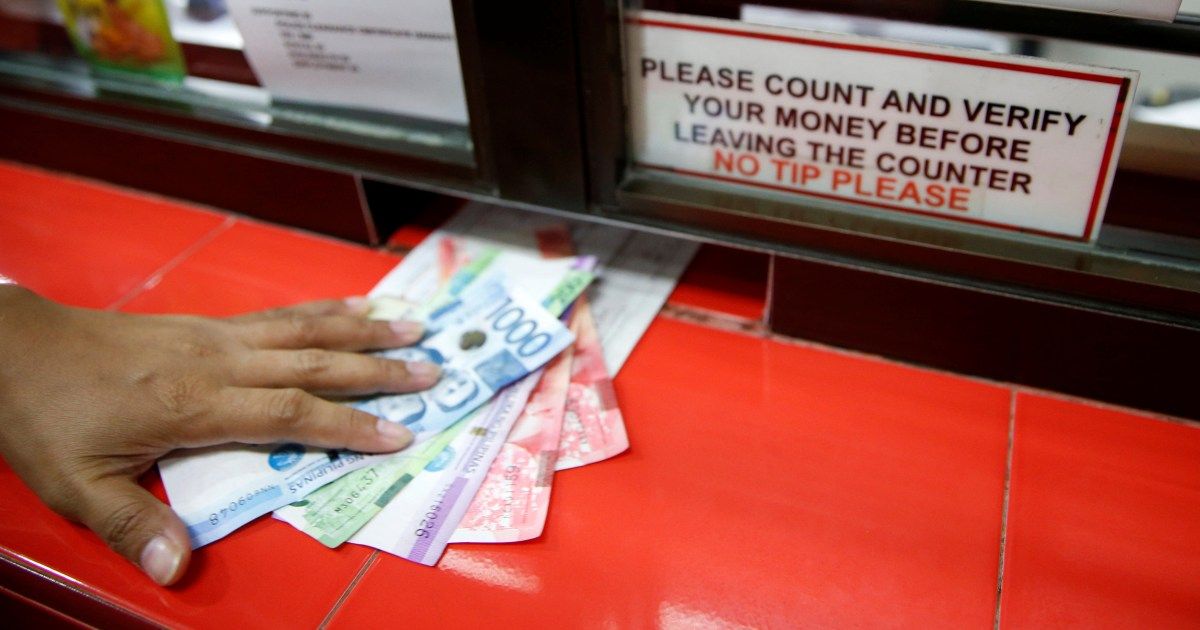
The Philippine peso has depreciated to record lows in recent trading, reflecting a confluence of regional and global headwinds affecting Southeast Asia's second-largest economy. The currency's weakness mirrors broader market volatility triggered by escalating tensions in the Middle East, which have roiled emerging market assets and driven investors toward safe-haven currencies like the US dollar.
Beyond external geopolitical factors, the Philippines faces mounting domestic economic challenges that have weighed on the peso's performance. Persistent inflation pressures, widening fiscal deficits, and capital outflows have undermined investor confidence in the currency. The central bank has faced mounting pressure to defend the peso through policy adjustments and intervention measures.
Economists warn that sustained weakness in the peso could complicate the Philippines' macroeconomic outlook, raising import costs and potentially reigniting inflationary pressures in an already strained economy. The currency's decline reflects broader concerns among investors about the country's ability to navigate simultaneous external shocks and internal imbalances.
The peso's depreciation comes as other emerging market currencies have also faced selling pressure, though the Philippines' particular vulnerabilities—including its trade deficit and reliance on foreign capital inflows—have made it especially susceptible to market shifts. Policymakers have signaled their commitment to stabilizing the currency while addressing underlying economic imbalances.