Business · Malaysia Bureau
Philippine peso hits record low amid rising global oil prices
The Philippine peso has weakened to an all-time low against the US dollar, breaching the previous benchmark set in July as energy costs continue their upward trajectory. The currency depreciation reflects broader regional economic pressures amid volatile commodity markets.
LSN Malaysia ·
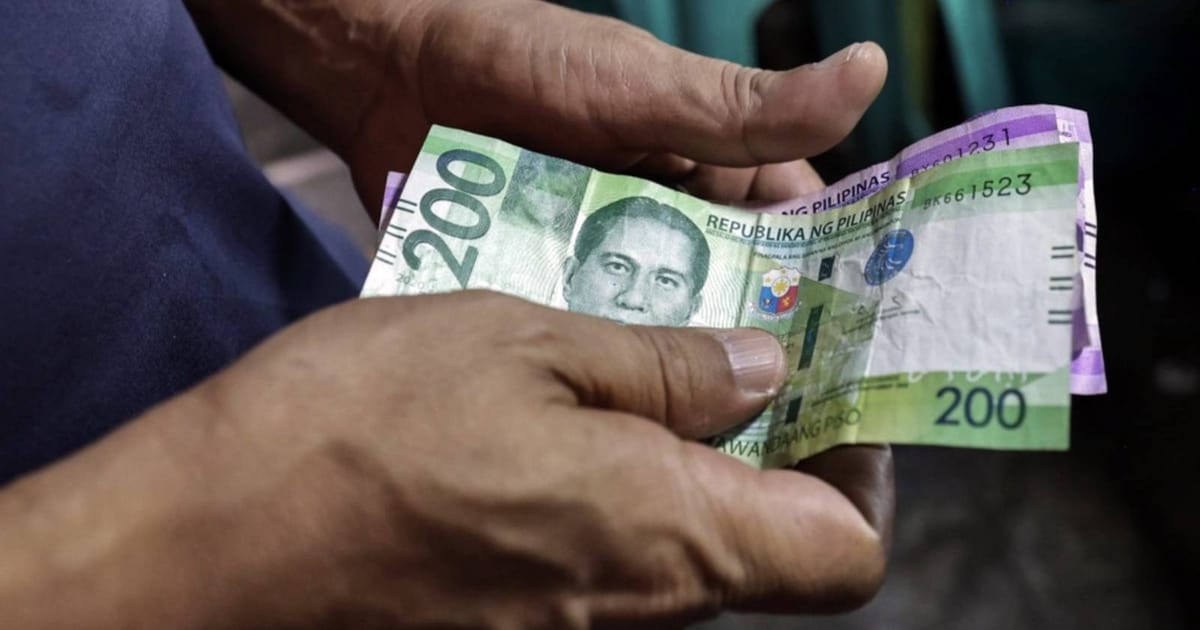
The Philippine peso declined to 61.995 per US dollar, marking a fresh record weakness and surpassing the previous low of 61.850 recorded in July. The currency slipped as much as 0.3% during recent trading, underscoring mounting pressure on the nation's external accounts.
The peso's deterioration coincides with sustained gains in global crude oil prices, which have added to inflationary pressures across Southeast Asia. Rising energy costs typically weigh on currencies of oil-importing nations such as the Philippines, as higher import bills drain foreign exchange reserves and widen current account deficits.
The currency weakness comes at a challenging time for the Philippine economy, which has grappled with persistent inflation and tighter monetary conditions. The central bank has maintained elevated interest rates to combat price pressures, a stance that has typically supported the peso but faces headwinds from deteriorating external conditions.
Regional analysts point to the combination of strong US dollar demand and commodity-driven capital outflows as key factors constraining Asian currencies, with the peso proving particularly vulnerable to these dynamics. Market observers will closely monitor forthcoming inflation data and central bank policy decisions for signs of stabilisation in the currency markets.