Business · Philippines Bureau
Philippines and Japan sign pact to build the country's first strategic oil reserves
The Department of Energy says the three-year cooperation deal could lead to the first petroleum storage facility owned directly by the Philippine government, though sites and financing are still being studied.
LSN Philippines ·
<p>The Philippines and Japan have signed a memorandum of cooperation to develop strategic petroleum reserves for the Philippines, the Department of Energy (DOE) said on Tuesday (17 November), as Manila looks for ways to shield consumers from global oil supply shocks.</p>
<p>Energy Secretary Sharon Garin and Japan's Minister of Economy, Trade and Industry Ryosei Akazawa signed the agreement in Manila on 16 November, on the sidelines of the ASEAN summit meetings hosted by the Philippines, according to the DOE, GMA News and ABS-CBN News.</p>
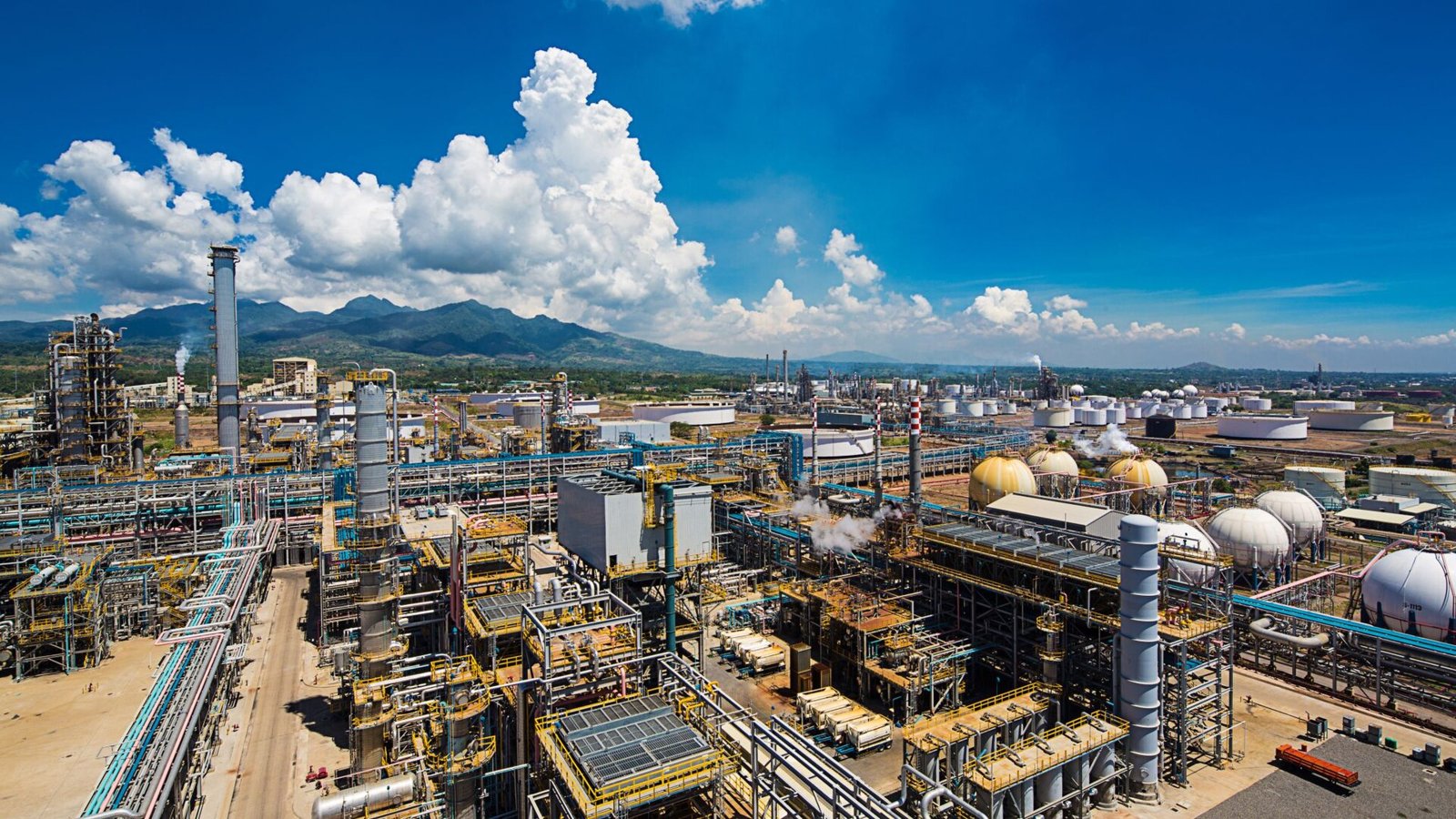
<p>The DOE said the deal sets out a framework for systems to build, manage and release government oil reserves, taking into account the country's fuel demand, market conditions and the need for an effective emergency response. Both sides will look at new oil storage infrastructure, including possible participation by Japanese companies in commercial stockpiling projects led by the state-run Philippine National Oil Company (PNOC).</p>
<p>Garin told reporters it would be the first time the Philippine government directly owns a petroleum storage facility, ABS-CBN News reported. She said technical, legal and financial studies were still under way, and that ownership need not rest with a single entity because the reserve could be made up of several systems.</p>
<p>A national stockpile is separate from the inventories that oil companies must already hold, which are set at 15 days' worth of supply, GMA News noted. The Philippines imports almost all of its oil, and the government declared a national energy emergency in March amid supply fears linked to conflict in the Middle East.</p>
<p>Technical support will come through Japan's state energy security agency JOGMEC, the Japan International Cooperation Agency (JICA) and the Economic Research Institute for ASEAN and East Asia (ERIA), covering training, oil security assessments and policy work. The pact also advances Japan's POWERR Asia energy resilience framework, including possible cooperation with oil-producing countries and a regional financing roadmap.</p>
<p>The agreement does not yet commit specific volumes, sites or funding. Its three-year cooperation period starts once both countries complete domestic procedures and exchange diplomatic notes, and it can be extended by mutual consent.</p>
<p>The signing came the same day President Ferdinand Marcos Jr. met Japanese Prime Minister Sanae Takaichi in Pasay City, where the two leaders said they would deepen cooperation on defence, trade and energy. Japan's foreign ministry said Takaichi also welcomed an agreement to provide defence equipment to the Philippines under Japan's Official Security Assistance programme.</p>