Culture & Entertainment · Singapore Bureau
Philippines grapples with school violence amid counsellor shortage
The Philippines is confronting a growing crisis of violence in educational institutions, with experts pointing to a severe lack of mental health support as a key factor. The nation's 45,000 schools are serviced by fewer than 1,000 counsellors, leaving students vulnerable and institutions struggling to address underlying issues.
LSN Singapore ·
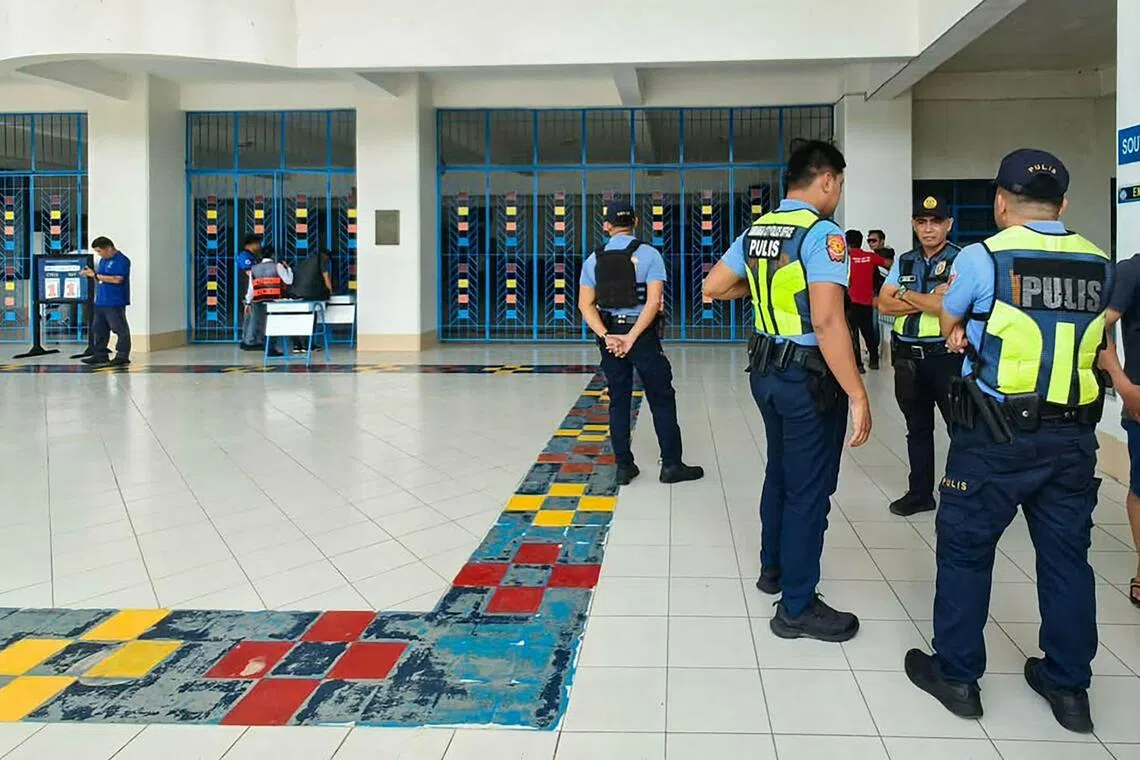
School violence has emerged as a pressing concern in the Philippines, affecting students across the archipelago and raising questions about the adequacy of support systems within educational institutions. Incidents range from student-to-student altercations to broader safety concerns that have prompted calls for systemic reform.
The root causes of this trend are multifaceted, but experts identify a critical resource gap as particularly troubling. With more than 45,000 schools nationwide serving millions of students, the presence of fewer than 1,000 qualified counsellors represents a ratio that leaves most institutions without adequate mental health support. This shortage means many students struggling with personal, psychological, or social issues lack access to professional guidance that could prevent violent incidents.
Education officials and child welfare advocates have identified several contributing factors, including overcrowded classrooms, limited teacher training in conflict resolution, and insufficient programmes addressing student mental health and wellbeing. The situation is further complicated by socioeconomic challenges affecting many Philippine families, which can manifest as behavioural problems in school environments.
Efforts to address the crisis are underway, with stakeholders calling for increased investment in counselling services, expanded teacher training programmes, and the development of comprehensive school safety protocols. Some regions have begun pilot programmes pairing schools with mental health professionals and implementing peer support initiatives. However, experts emphasise that meaningful progress will require sustained funding and a nationwide commitment to prioritising student psychological wellbeing alongside academic achievement.