Politics · Philippines Bureau
Philippines steps up campaign against illegal wildlife trafficking networks
Conservation groups and law enforcement agencies are intensifying efforts to combat the illegal trade of endangered Indonesian parrots across Philippine borders, citing threats to both wildlife populations and public health.
LSN Philippines ·
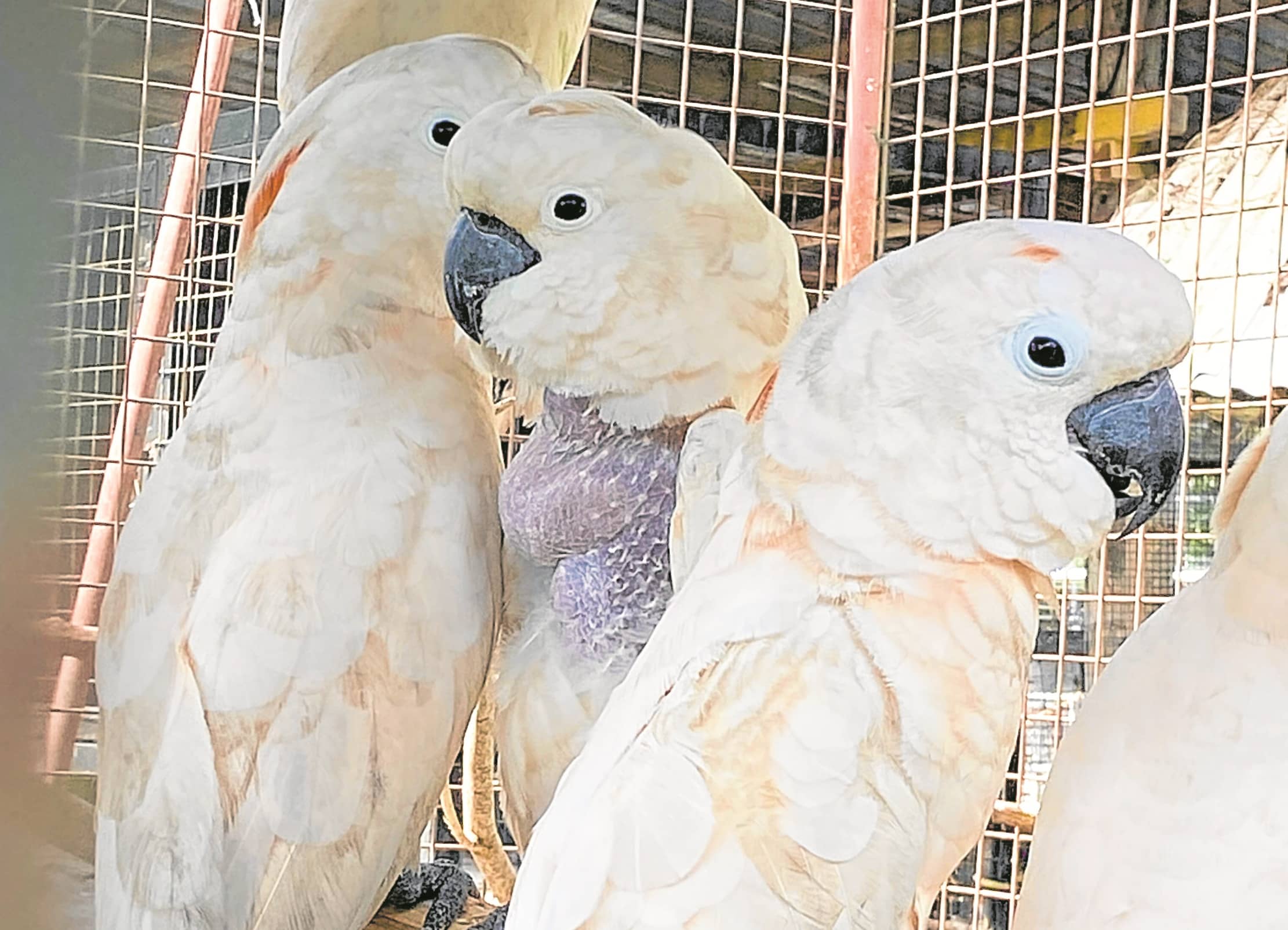
The Haribon Foundation has launched a coordinated push to dismantle trafficking networks operating throughout the Philippines, conducting meetings with wildlife and law enforcement officials across major cities including Quezon City, Davao, and General Santos City in early July.
The campaign focuses specifically on stemming the illegal cross-border trade of Indonesian parrots, a lucrative black market that has drawn increasing scrutiny from conservationists and health authorities. The birds, often destined for the domestic pet trade, represent a significant conservation concern as populations in their native habitat face mounting pressure from poaching and habitat loss.
Beyond ecological impact, wildlife experts warn that the illicit trade poses emerging health risks. The handling, transport, and sale of trafficked animals creates conditions conducive to disease transmission between species and to human populations, raising concerns about potential zoonotic disease outbreaks.
The multi-agency approach combines traditional enforcement tactics targeting street markets and smuggling routes with emerging efforts to monitor online sales platforms. Officials acknowledge that internet-based transactions have become increasingly prevalent in wildlife trafficking, requiring new strategies and cross-border coordination to effectively intercept illegal shipments.
Conservationists emphasize that addressing the illegal wildlife trade requires sustained collaboration between government agencies, international partners, and community stakeholders to reduce demand while strengthening enforcement capacity.