World · Singapore Bureau
Philippines struggles to maintain dominance in global ube market
As international demand for the purple yam surges, Philippine farmers face mounting pressure to scale production while competing with emerging suppliers worldwide.
LSN Singapore ·
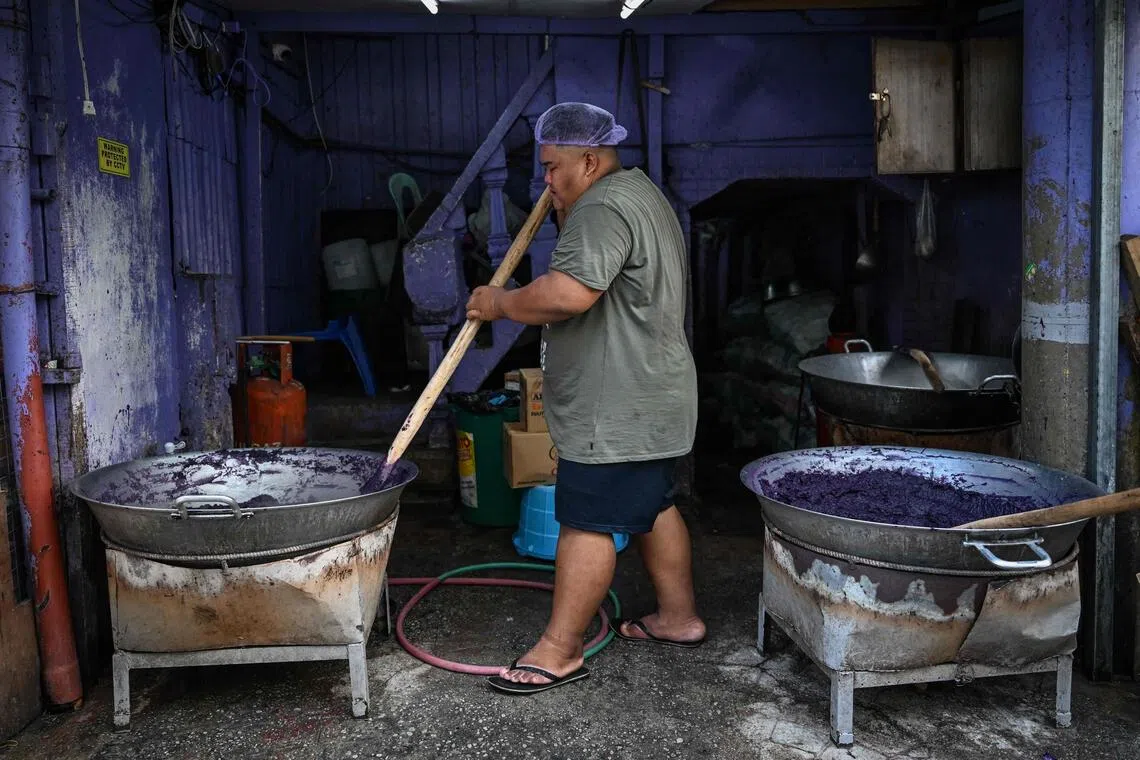
The Philippines has long been synonymous with ube, the vibrant purple yam that has become a global culinary phenomenon. However, the nation's predominantly smallholder farming sector is struggling to capitalize on soaring international demand for the crop, which has expanded far beyond its traditional Southeast Asian markets into North America, Europe, and beyond.
The challenge facing Philippine farmers is multifaceted. Most operations remain small-scale, limiting their ability to meet bulk orders from major food manufacturers and retailers seeking consistent, year-round supplies. Infrastructure gaps, including storage and processing facilities, further constrain farmers' capacity to tap into lucrative export opportunities and value-added product markets.
Competition is intensifying as other countries recognize ube's commercial potential. Emerging producers in neighboring regions are investing heavily in cultivation and supply chain development, threatening the Philippines' historical market advantage. This pressure comes at a time when global interest in ube continues to accelerate, driven by Asian cuisine trends and product innovations ranging from desserts to beverages.
Industry observers note that Philippine farmers require greater support through cooperative structures, improved access to credit, and technology transfer to remain competitive. Without targeted intervention, the country risks ceding its position as the world's primary ube supplier despite possessing the crop's deepest cultural and agricultural heritage.