World · Bangladesh Bureau
Physician parents warn of dengue's sudden deterioration in children
A case highlighting dengue fever's unpredictable progression has prompted medical professionals to stress the importance of rapid clinical intervention. Doctors warn that even children under parental medical care can experience life-threatening complications without preceding warning signs.
LSN Bangladesh ·
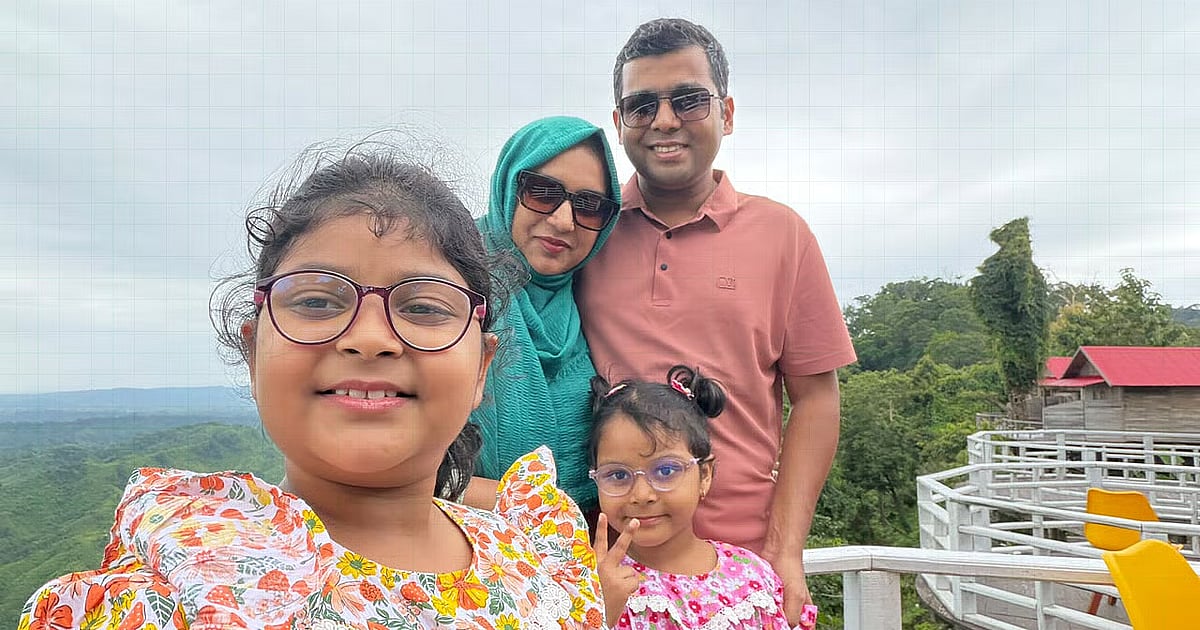
A young girl's sudden severe deterioration from dengue fever has underscored the virus's dangerous and often unpredictable nature, particularly in paediatric cases. Despite her parents being medical professionals with direct access to healthcare, the child's condition worsened rapidly without obvious warning indicators, leaving medical experts to emphasize that dengue remains a medical emergency requiring constant vigilance.
The case illustrates a critical challenge in dengue management: the disease's capacity to transition from mild to severe stages within hours. Medical professionals working in dengue-endemic regions have long documented this phenomenon, where patients may appear relatively stable before experiencing sudden organ dysfunction, haemorrhage, or shock—collectively known as severe dengue.
Experts advise that dengue patients, particularly children, require continuous clinical monitoring throughout the critical phase of illness, typically occurring between the third and seventh day of fever onset. Warning signs including persistent vomiting, severe abdominal pain, lethargy, and rapid drop in platelet counts necessitate immediate hospital admission and intensive supportive care.
The case serves as a sobering reminder that dengue's mortality and morbidity rates remain elevated in children when diagnosis and intervention are delayed. Healthcare authorities across South Asia have intensified campaigns encouraging early laboratory confirmation and strict monitoring protocols, particularly as dengue prevalence continues rising in the region during seasonal outbreaks.