World · India Bureau
Physicist Halzen wins Nobel Prize for detecting cosmic neutrinos
American physicist Francis Halzen has been awarded the Nobel Prize in Physics for his groundbreaking work in detecting neutrinos from space. The discovery opens a new window into understanding the universe's most energetic and distant phenomena.
LSN India ·
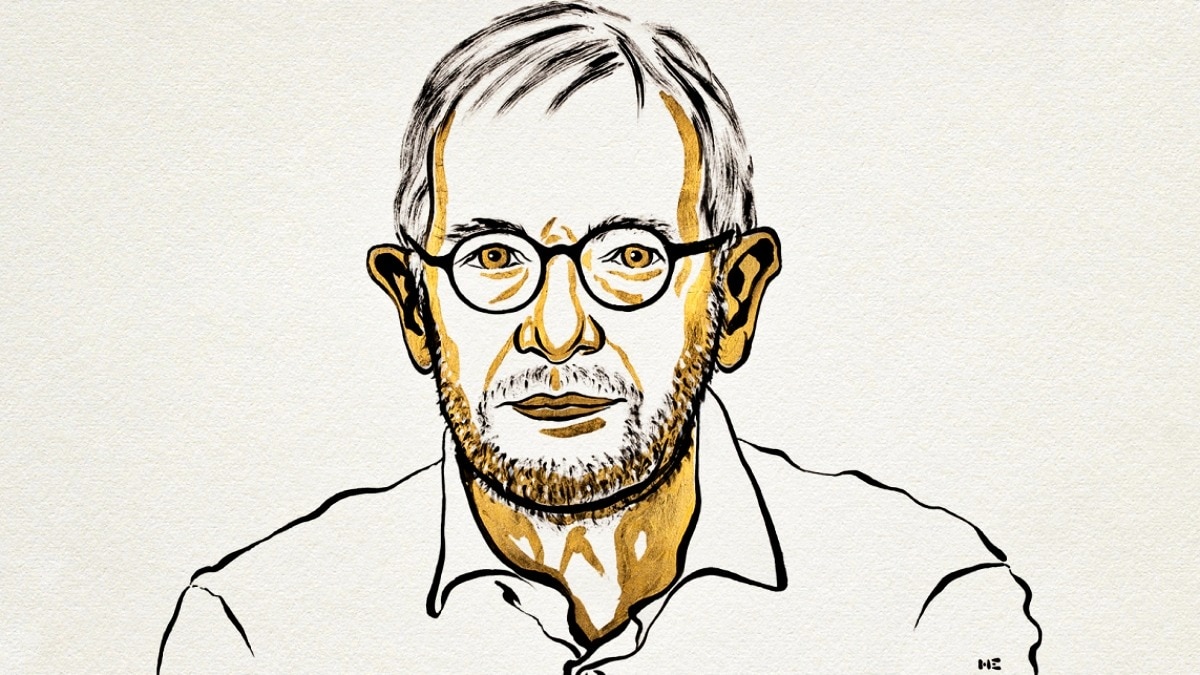
Francis Halzen, a researcher at the University of Wisconsin-Madison, has been honoured with the 2024 Nobel Prize in Physics for his pioneering detection of cosmic neutrinos—subatomic particles that travel vast distances through the cosmos virtually undetected. These ghostly messengers from space provide scientists with unprecedented insights into some of the universe's most violent and extreme events.
Halzen's work centred on the IceCube Neutrino Observatory, a massive detector buried deep in the Antarctic ice. The facility captures the rare interactions between cosmic neutrinos and ice molecules, allowing researchers to trace these particles back to their origins in distant galaxies, supernovae, and black holes. The achievement represents a major breakthrough in multi-messenger astronomy, complementing observations made through traditional telescopes and gravitational wave detectors.
Neutrinos are among the most abundant particles in the universe, yet extraordinarily difficult to detect due to their minimal interaction with matter. Halzen's innovative approach to capturing these elusive particles has enabled astronomers to study phenomena that were previously invisible to conventional observation methods. The discovery has profound implications for fundamental physics and cosmology, offering new perspectives on the universe's structure and evolution.
The Nobel Prize recognition underscores the significance of this detection method in modern astronomy and particle physics. Halzen's work has inspired international collaborations and new detector projects worldwide, promising to yield further discoveries about the cosmos in the coming years.