World · India Bureau
Pine plantations reduce water flow by nearly one-third in New Zealand region
A new study reveals that extensive pine tree plantations in New Zealand's Waikato catchment are significantly reducing streamflow, with some areas experiencing declines of up to 30 percent. The findings raise concerns about water availability in the agricultural region.
LSN India ·
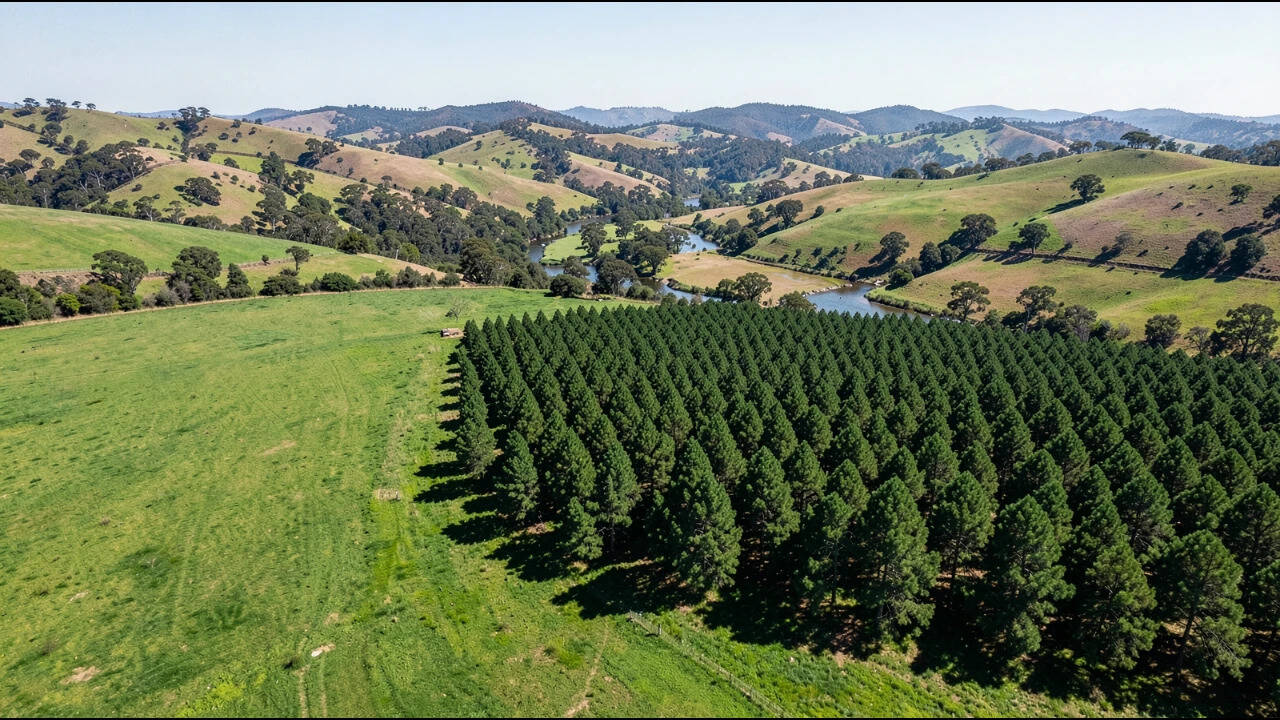
Research into New Zealand's Waikato catchment has documented a substantial impact on water resources from commercial pine plantations, with streamflow reductions reaching as high as 30 percent in certain areas. The study examines how large-scale afforestation for timber production affects the hydrological cycle in one of the country's most productive agricultural regions.
The Waikato catchment, which spans a significant portion of New Zealand's North Island, supports extensive farming operations and relies on consistent water availability. The reduction in streamflow poses potential challenges for agricultural water supplies and ecosystem health in the region. Researchers attribute the decline to increased water uptake by mature pine forests, which draw more moisture from soil and groundwater than native vegetation or grasslands.
The findings emerge as New Zealand continues to expand its plantation forestry sector to meet global timber demand and climate commitments. Environmental managers and water authorities are now examining how to balance economic benefits of commercial forestry with preservation of water resources. The research suggests that land-use planning decisions must account for hydrological impacts when converting agricultural or native forest areas to pine plantations.
Experts emphasize the need for comprehensive water management strategies that consider multiple land uses across catchment areas. The study contributes to growing international evidence that large-scale tree plantations can significantly alter local water cycles, prompting calls for more detailed environmental assessments before future plantation expansion.