Business · India Bureau
Pioneering Ecologist's Vision Transforms Costa Rica's Conservation Landscape
Decades of dedicated research have culminated in the restoration and protection of vast tropical ecosystems in Costa Rica's Guanacaste region. The work demonstrates how scientific innovation combined with community engagement can reshape conservation efforts on a continental scale.
LSN India ·
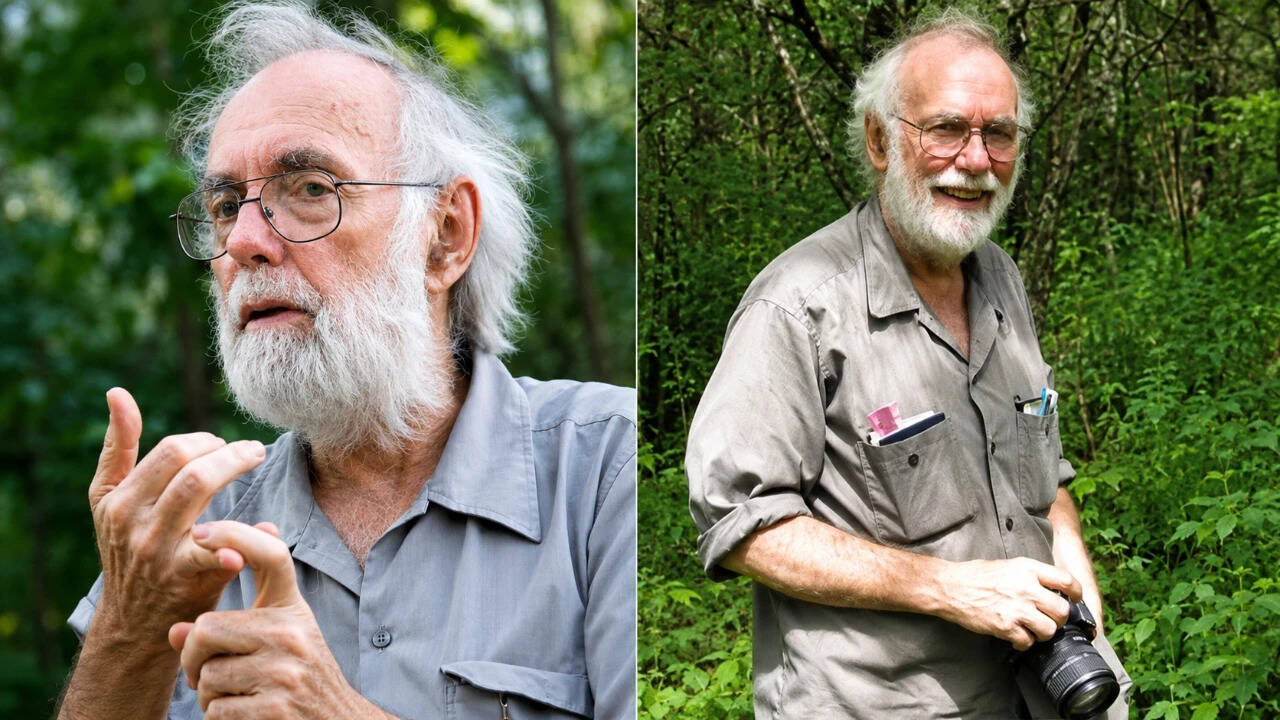
A lifetime of ecological research has fundamentally transformed conservation practices across Central America, with one scientist's vision resulting in the protection and restoration of 169,000 hectares of tropical forest in Costa Rica. The Guanacaste Conservation Area represents one of the region's most ambitious ecosystem restoration initiatives, built on rigorous scientific study of the complex relationships between plant and animal species in tropical environments.
The project's success stems from an approach that integrates academic research with practical partnership involving local communities. Rather than imposing conservation measures from outside, the initiative has worked to align scientific objectives with the needs and knowledge of residents in the region, creating sustainable frameworks for long-term ecosystem management.
The conservation area now stands as a living laboratory for tropical ecosystem research, advancing scientific understanding of biodiversity dynamics while simultaneously providing tangible environmental protection. The work has influenced conservation strategies throughout the tropics, demonstrating that large-scale restoration is achievable when grounded in rigorous ecological science and community collaboration.
The legacy of this conservation effort extends beyond Costa Rica's borders, offering valuable lessons for environmental protection initiatives across South and Southeast Asia, where tropical ecosystems face similar pressures from deforestation and habitat loss. The model underscores the critical importance of understanding ecosystem complexity as a foundation for effective, long-term conservation policy and practice.