World · India Bureau
Pioneering immunologist Prof GP Talwar turns 100, legacy endures
Professor GP Talwar, the renowned Indian scientist who developed the world's first anti-leprosy vaccine, has completed a century of life. The distinguished immunologist's contributions to medical science and institutional development continue to shape India's health research landscape.
LSN India ·
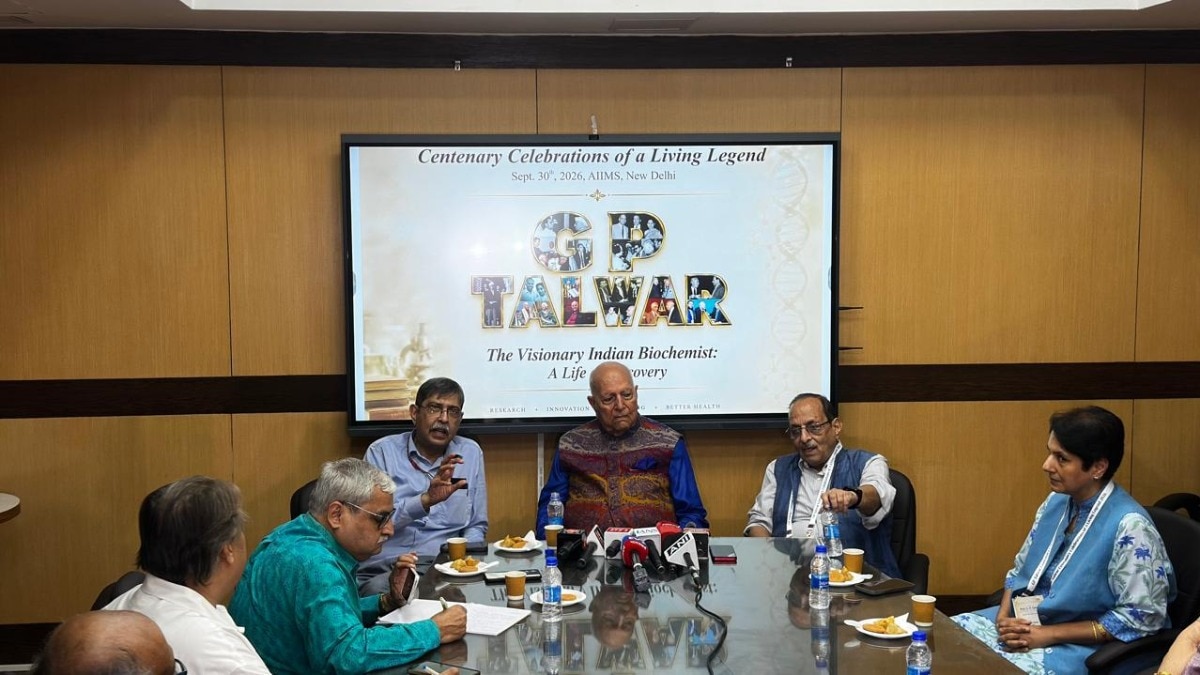
Professor Gurdip Prain Talwar reached the milestone age of 100 years, marking a remarkable career spanning decades in immunological research and vaccine development. The veteran scientist is credited with developing Mycobacterium indicus pranii (MIP), recognised globally as the world's first effective anti-leprosy vaccine—a breakthrough that transformed treatment approaches for the infectious disease.
Talwar's institutional contributions proved equally significant. He established the biochemistry department at the All India Institute of Medical Sciences (AIIMS) New Delhi, laying foundational expertise in the field. His subsequent work proved instrumental in building the National Institute of Immunology into a premier research facility, strengthening India's capacity in immunological studies.
Throughout his career, Talwar has remained committed to advancing vaccine science and immunology in India. His work on the anti-leprosy vaccine addressed a critical public health need, offering patients improved therapeutic options and reducing disease burden across affected populations. The vaccine development represented a significant achievement for Indian medical research on the global stage.
As Talwar enters his centennial year, his legacy continues influencing contemporary immunologists and vaccine researchers across the country. His contributions to institutional development at AIIMS and the National Institute of Immunology have created enduring frameworks for scientific innovation that persist in training new generations of medical scientists.