World · India Bureau
Plant species surge fourfold on rewilded farmland in UK study
A pioneering rewilding project has demonstrated the rapid ecological recovery possible when arable land is allowed to return to nature. Plant diversity on the transformed farm nearly doubled within three years, with species variety increasing more than fourfold overall.
LSN India ·
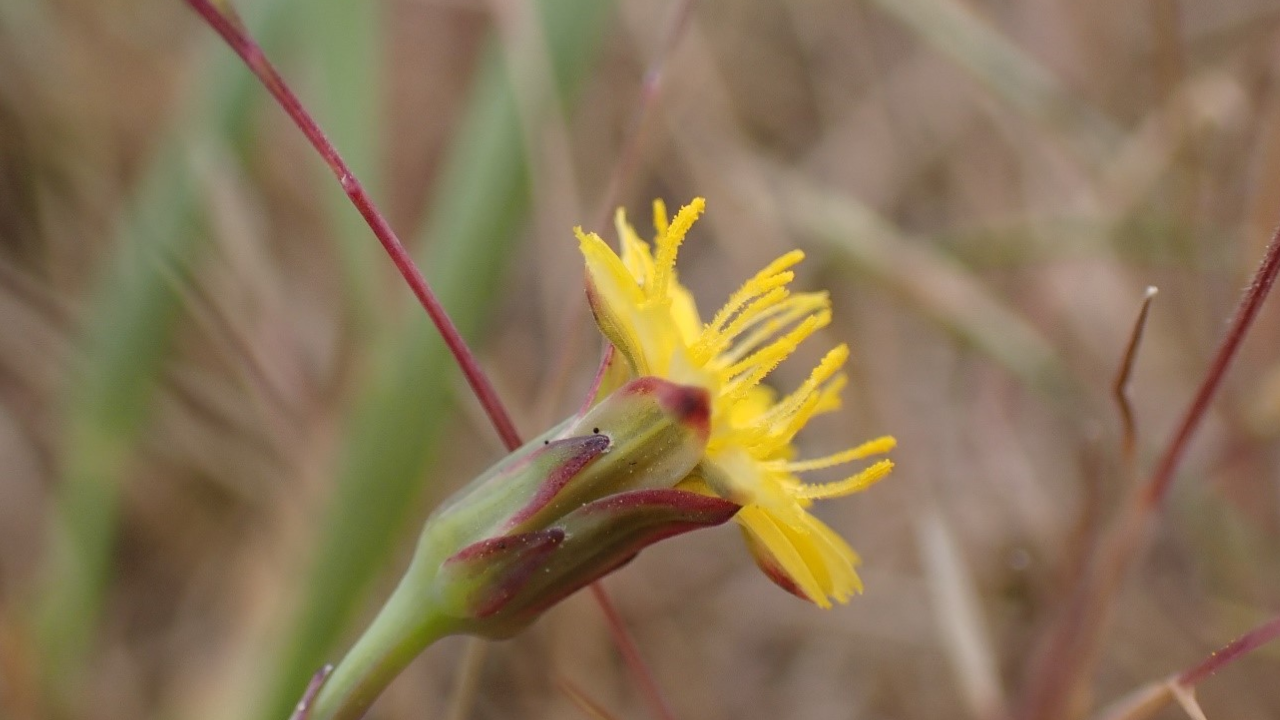
A comprehensive survey of rewilded farmland has revealed the dramatic potential for ecological restoration, with plant species increasing nearly fourfold following the conversion of former arable plots. The transformation occurred at Wild Ken Hill, where grazing animals played a crucial role in reshaping the landscape and accelerating natural recovery.
Researchers documented the near-doubling of plant species within just three years of the rewilding initiative, signalling the remarkable capacity of degraded agricultural land to regenerate when given the opportunity. The surge in vegetation diversity was primarily driven by the introduction of grazing animals, which enhanced the structural complexity of the ecosystem and created varied habitats for different plant species to flourish.
The expansion of plant diversity carries significant implications for local wildlife populations. The increased vegetation provides enhanced resources and habitat structures that benefit insect communities and bird species, demonstrating how terrestrial rewilding initiatives can generate cascading ecological benefits across multiple trophic levels.
The findings from Wild Ken Hill underscore growing scientific evidence that agricultural land can be rapidly restored to support rich ecosystems. As pressures on biodiversity intensify globally, such rewilding projects offer a promising pathway for regenerating ecological function within working landscapes, offering hope for integrated approaches to conservation and land management.