Culture & Entertainment · India Bureau
Plastic Microparticles Linked to Fatty Liver Disease in New Study
Research suggests polyethylene microplastics may contribute to liver damage when combined with high-fat diets. Scientists say the findings raise concerns about widespread plastic pollution and human health risks.
LSN India ·
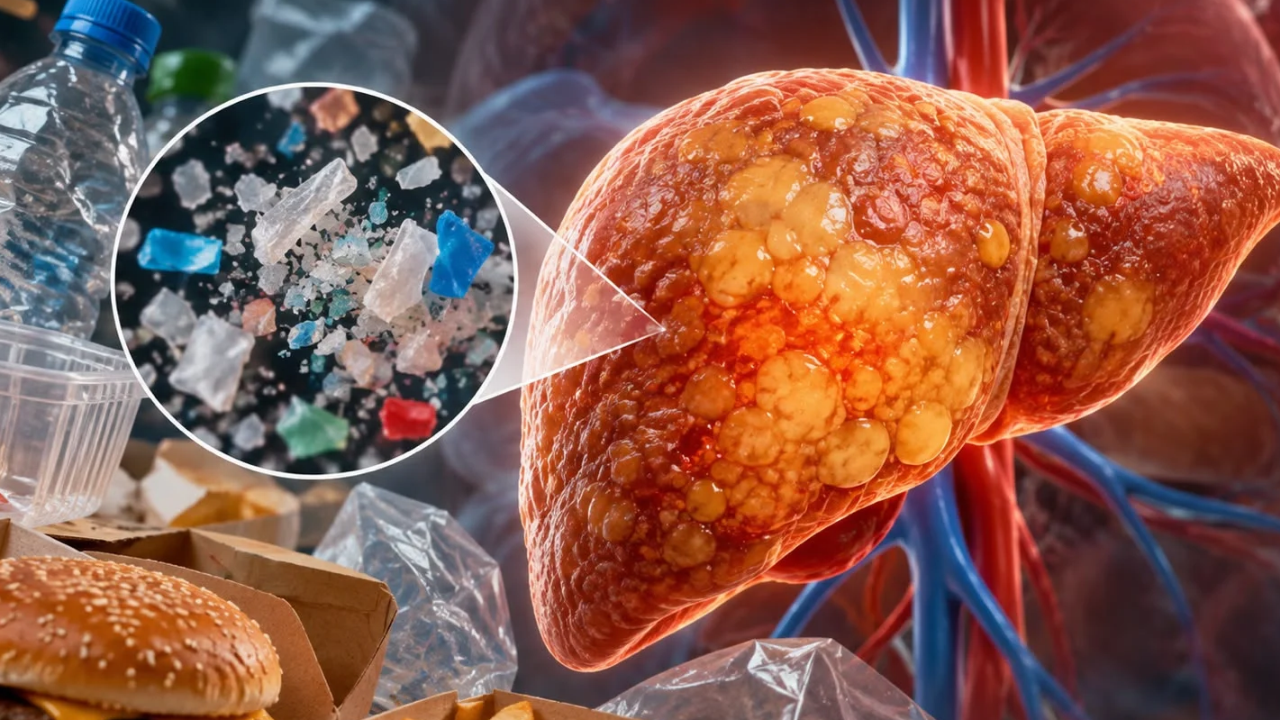
A new study has identified a potential link between polyethylene microplastic exposure and fatty liver disease, adding to growing concerns about the health impacts of plastic pollution. Researchers observed that animals exposed to polyethylene microplastics and fed high-fat diets showed significant signs of fatty liver disease, a condition increasingly common across populations consuming processed foods.
The investigation revealed alterations in gene activity related to fat metabolism and tissue repair mechanisms in the liver. These molecular changes suggest that microplastic exposure may interfere with the body's ability to regulate fat storage and maintain healthy liver function, particularly when combined with poor dietary habits.
Polyethylene microplastics, tiny fragments of plastic commonly found in consumer products and environmental samples, have become a widespread contaminant in air, water, and soil. As these particles accumulate in ecosystems across South and Southeast Asia, understanding their health implications has become increasingly urgent for public health officials and environmental scientists.
While the study demonstrates clear associations between microplastic exposure and liver stress markers, researchers caution that translating these findings to human health requires further investigation. Scientists plan to conduct additional studies to determine whether microplastic accumulation could contribute to progression toward severe liver disease in humans. Public health experts suggest the findings underscore the need for broader efforts to reduce plastic pollution and promote dietary improvements in populations with high processed food consumption.