World · Singapore Bureau
PM2.5 the better guide for immediate outdoor air quality decisions
As haze blankets the region, Singapore residents seeking to venture outdoors should prioritise PM2.5 readings over the Pollutant Standards Index for real-time air quality assessments. The distinction between these two measures becomes critical when planning activities within the next hour.
LSN Singapore ·
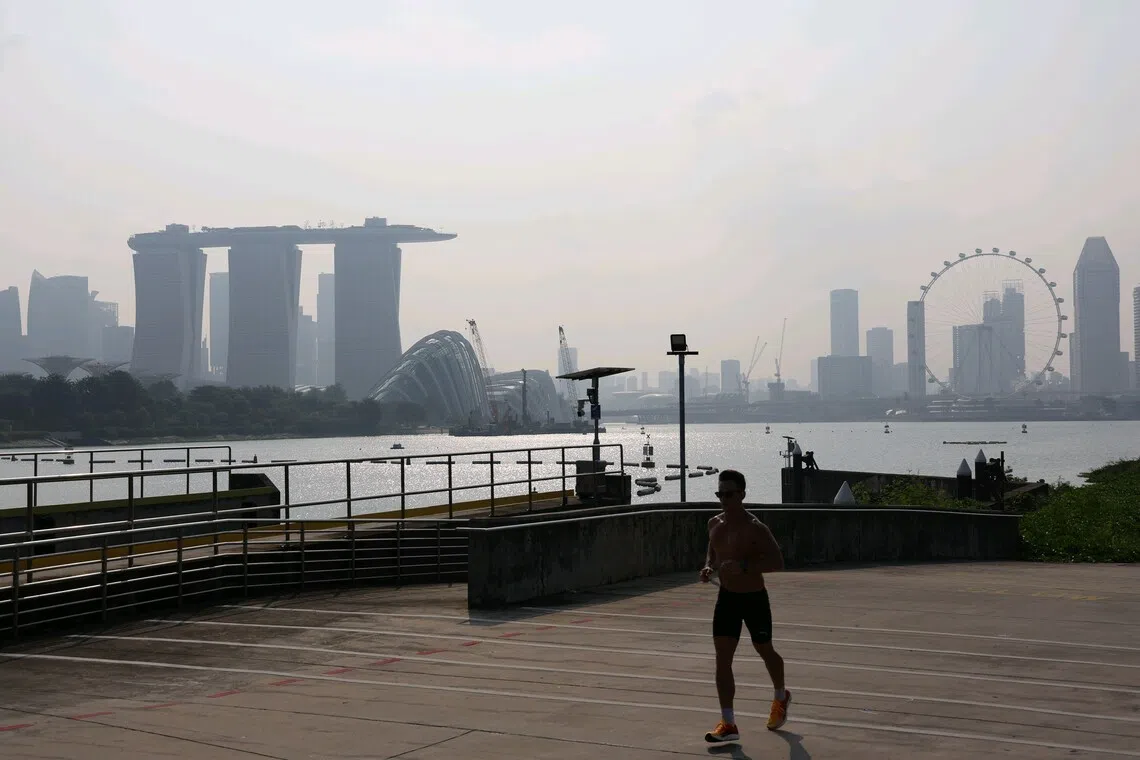
Singapore relies on two primary air quality indicators, each serving different purposes during periods of poor air quality. The Pollutant Standards Index, or PSI, measures multiple pollutants including nitrogen dioxide, sulphur dioxide, ozone, carbon monoxide, and particulate matter. While comprehensive, the PSI can lag in reflecting immediate atmospheric conditions affecting outdoor activities.
PM2.5, by contrast, specifically tracks fine particulate matter—particles smaller than 2.5 micrometres in diameter that penetrate deep into the respiratory system. This measurement provides a more current snapshot of air quality and correlates directly with health impacts from short-term exposure.
For residents planning outdoor activities in the coming hours, PM2.5 values offer a more responsive indicator of whether it is safe to exercise, commute on foot, or engage in outdoor pursuits. The measure updates frequently, reflecting real-time atmospheric conditions rather than the broader, longer-term assessment the PSI provides.
Both metrics remain valuable within Singapore's air quality framework. The PSI continues to guide longer-term planning and policy decisions, while PM2.5 serves as the practical tool for immediate, hour-by-hour decisions during haze episodes. Understanding which measure to consult ensures residents can make informed choices about outdoor exposure during periods of regional air pollution.