World · Malaysia Bureau
PN's Hesitation Over CSA Unlikely to Surprise Political Observers
Perikatan Nasional's reluctance to endorse a Confidence and Supply Agreement reflects deeper calculations within Malaysia's coalition politics, despite widespread expectations that such an accord could stabilize the nation's political landscape.
LSN Malaysia ·
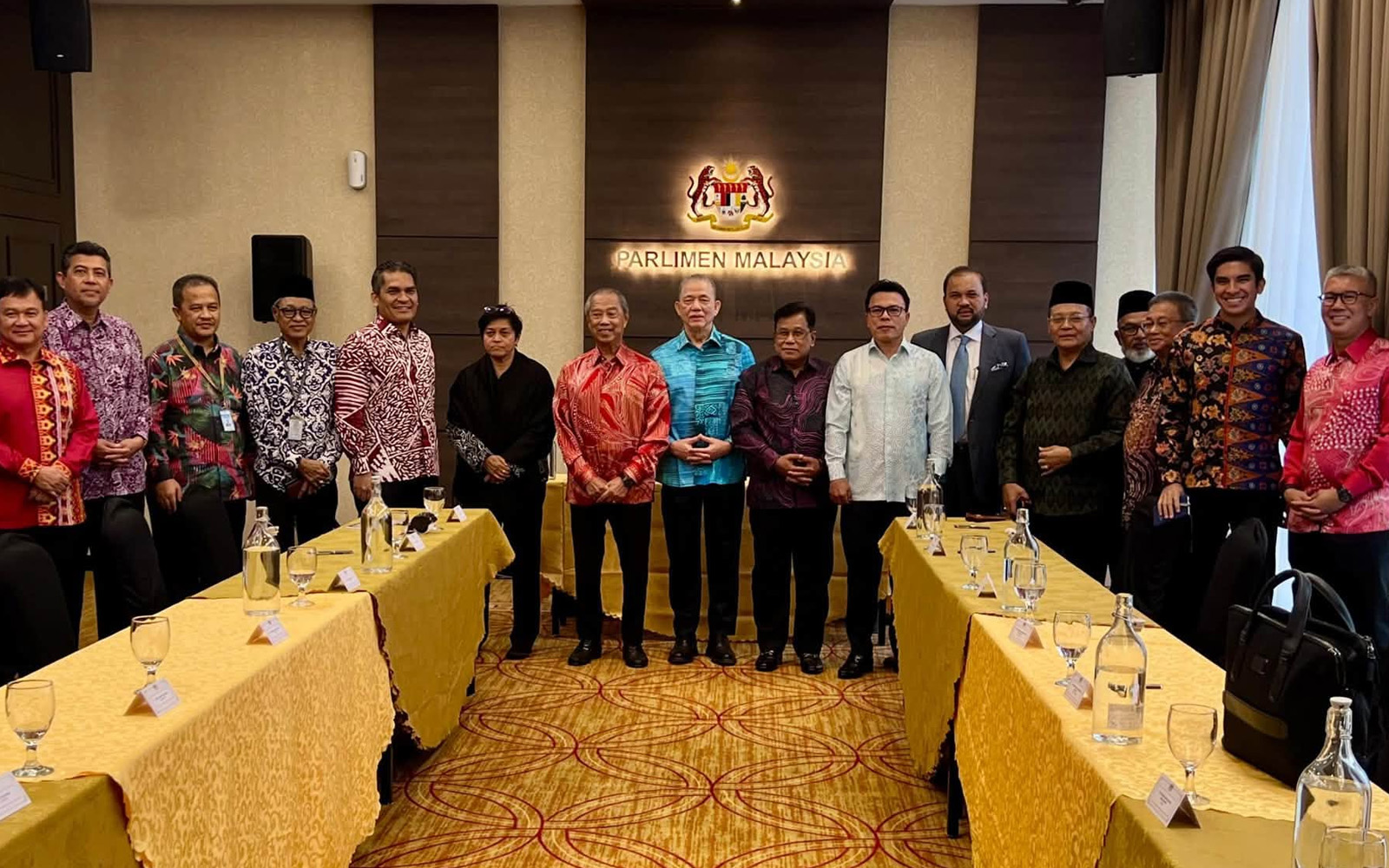
Perikatan Nasional's apparent unwillingness to formalize a Confidence and Supply Agreement (CSA) with the government represents a tactical stance that aligns with the coalition's broader political positioning, observers note. While many analysts have pointed to a CSA as a potential mechanism to strengthen Malaysia's political stability and provide the government with a more predictable parliamentary majority, PN's hesitation signals competing priorities within the opposition coalition.
The reluctance comes amid ongoing negotiations around power-sharing arrangements and policy concessions that PN hopes to extract from any formal agreement. Political analysts suggest that without guarantees addressing PN's core interests, the coalition has determined that maintaining flexibility outside a binding arrangement serves its strategic advantage better than entering into a formalized support mechanism.
A CSA would typically provide the government with opposition support on confidence votes and budgetary matters in exchange for policy considerations and potentially ministerial positions. However, PN's caution reflects the complex dynamics of Malaysian politics, where informal arrangements sometimes prove more advantageous than formal accords that could constrain future political maneuvers.
The stance underscores the ongoing negotiations between major political blocs as they seek to balance immediate political advantage against longer-term stability considerations. Political observers remain divided on whether such an agreement will eventually materialize or whether Malaysian politics will continue operating under existing informal understandings.